Recent publications signal a deep shift in how assets are understood and traded, driven by a technology called tokenization. Developments across financial sectors and digital platforms suggest that this process, while complex, is steadily reconfiguring established market structures. This isn't just about digital assets; it's about transforming how ownership and value are represented, particularly for physical and traditional financial holdings.
The Mechanics of Representation
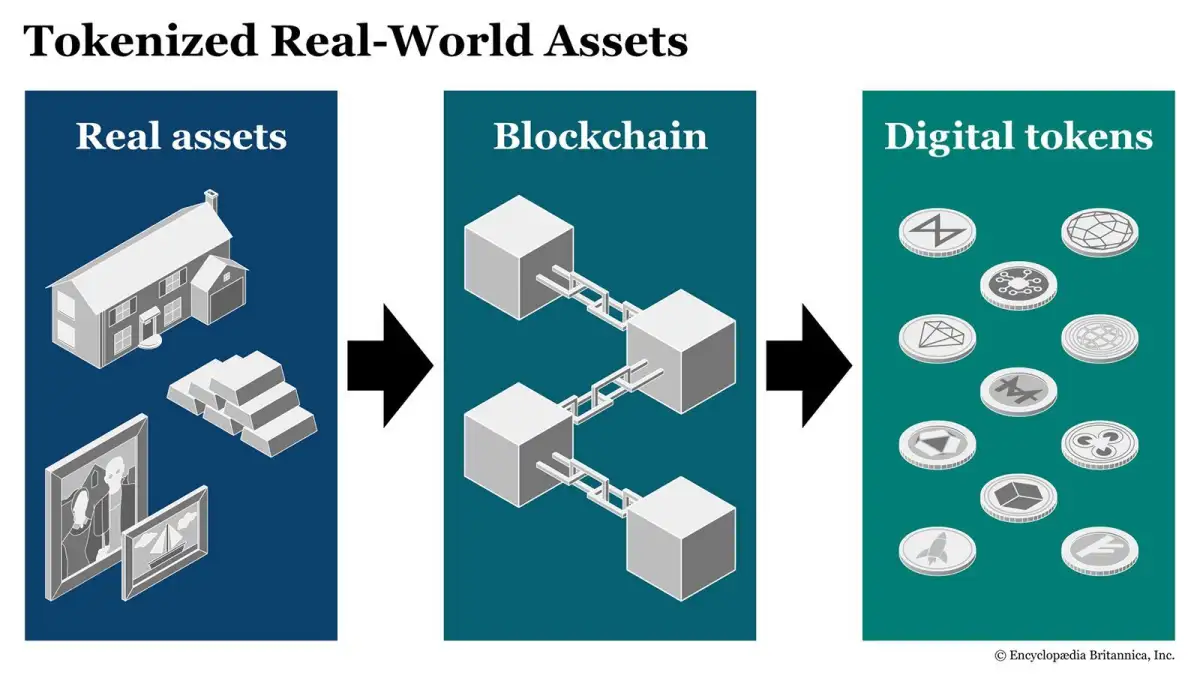
Tokenization, at its essence, is a method of representing an asset—be it physical or digital—as a digital token on a blockchain. This process involves separating sensitive data from the systems that handle it, creating digital representations that hold no inherent value or similarity to the original information. The key lies in the digital token acting as a proxy or a record, facilitating easier transfer and management of rights or ownership associated with the underlying asset.
Read More: GLP-1 Drugs Cost Millions for Patients in 2026
Several models exist for this digital transformation:
Direct Ownership/Rights: Some tokens directly confer ownership or specific rights to an asset.
Mirror Structures: Others act as blockchain-based trackers, mirroring the asset's value or status without conferring direct ownership.
This duality in representation offers flexibility, allowing for a spectrum of engagement with tokenized assets.
Institutional Momentum and Market Fragmentation
Major financial players, including institutions like the World Bank, are reportedly investing in the technological infrastructure required for tokenization. This institutional buy-in suggests a growing recognition of its potential to address existing market inefficiencies. The current financial landscape is described as a "fragmented pyramid" of aging technologies, with each asset class operating in isolation. Tokenization, proponents argue, offers a pathway to bridge these divides, enabling greater interconnectedness across different markets and participants.
Industry collaboration is flagged as a crucial element in realizing this potential. The slow pace of technological adoption in finance, historically more cautious than other sectors, is being challenged by the momentum behind tokenization.
Beyond Security: Broader Implications
While tokenization can serve to protect sensitive payment data, its value proposition extends far beyond mere security. The ability to break down traditional ownership barriers opens up possibilities like fractional ownership, allowing for more accessible investment in a wider range of assets. Theoretically, many types of real-world assets could be subject to this process, potentially democratizing access to investments previously out of reach for many.
Read More: Phidgets Inc. Shares API Docs for Device Control
The ongoing discussions highlight a subtle yet profound digital transformation potentially underway, one that centers on the fundamental representation of value and ownership in our increasingly interconnected economies.
Background: The Digital Shift
The concept of tokenization, particularly in the context of financial assets and Web3 applications, has been gaining traction throughout 2024. Publications from McKinsey in July and the World Economic Forum in December underscore the growing attention from both consultancy firms and international economic bodies. More recently, outlets like Corepay and Britannica Money have sought to demystify the process for broader understanding, with articles appearing just days ago. This sustained focus indicates a maturing conversation around tokenization's role in the future of finance and digital interaction.
Read More: Bitcoin Price Drops Due to Peace Hopes and ETF Outflows