Population Reaches Twenty, Offering Glimpse of Ecological Resilience
Twenty platypuses have been counted within Australia's Royal National Park, a notable increase for the elusive, egg-laying mammal. This finding, emerging from recent surveys, signals a potential stabilization or even expansion of the species in this specific freshwater habitat. The platypus, a creature with a unique evolutionary lineage and a distinctly Australian identity, faces ongoing challenges across its broader range.
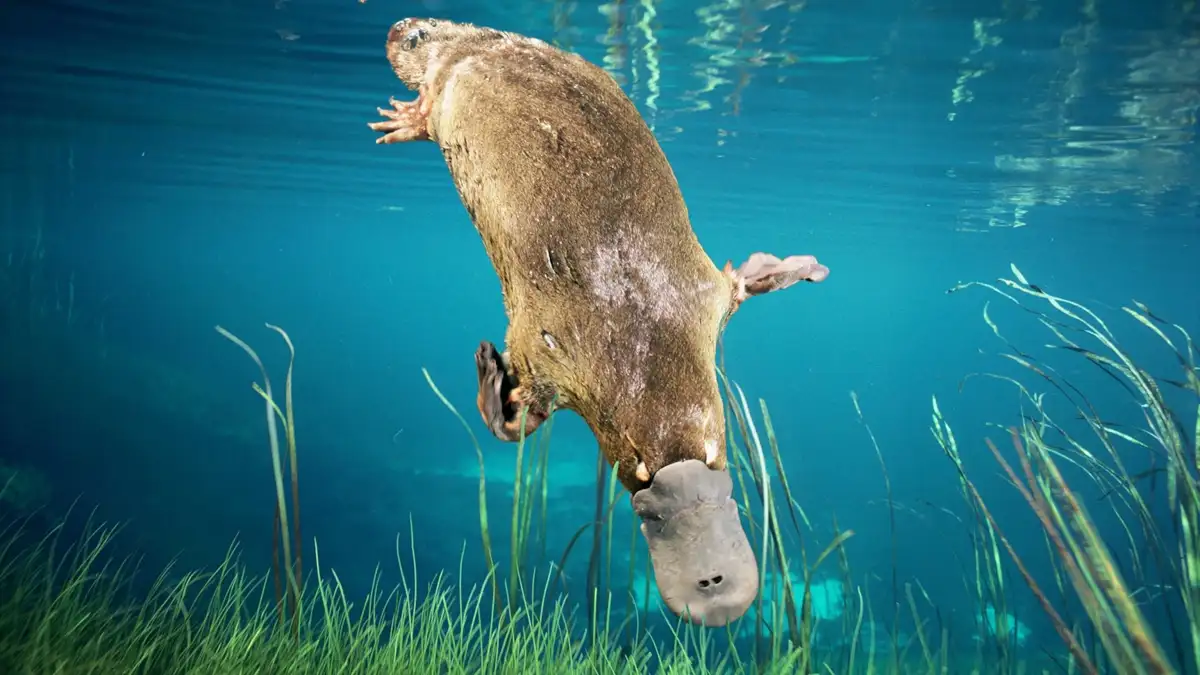
The current count of twenty platypuses in Royal National Park suggests a positive, albeit localized, development for a species often categorized as vulnerable. This figure provides a stark contrast to broader concerns about platypus populations elsewhere.
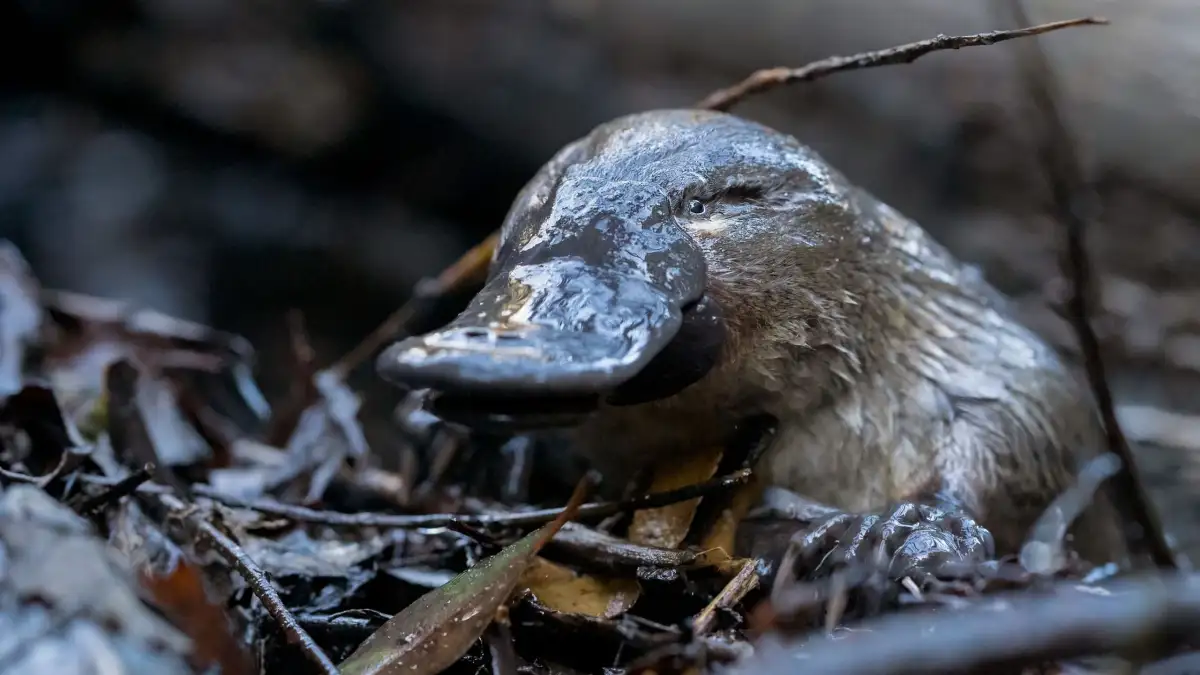
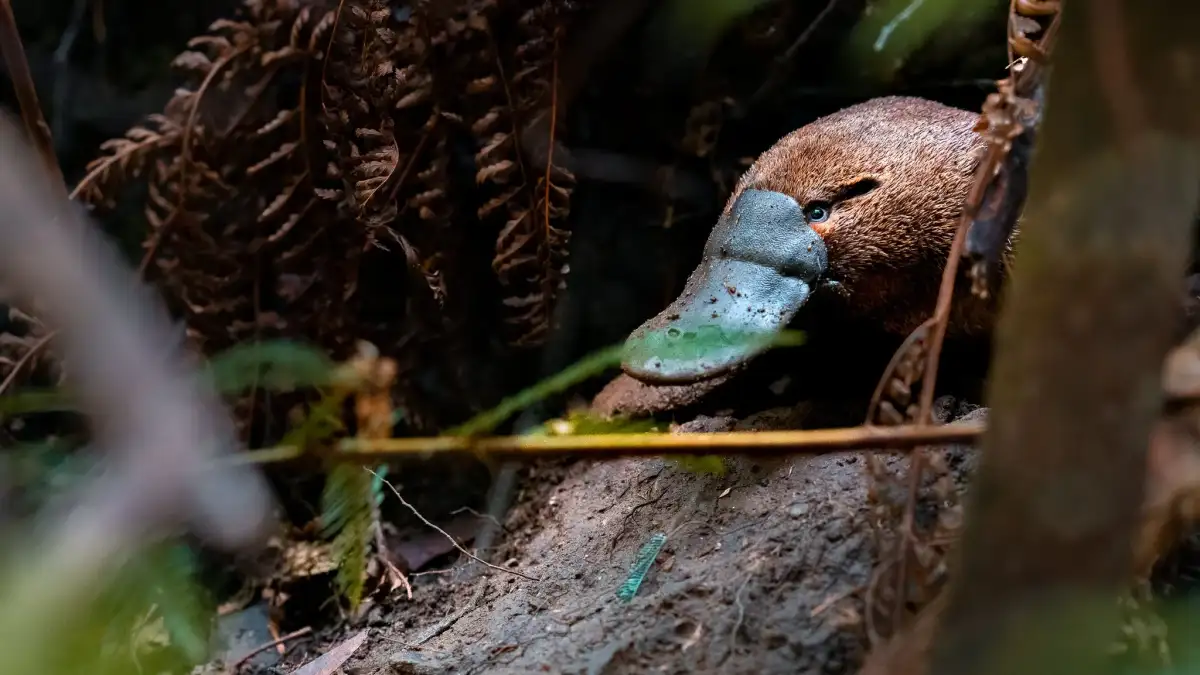
The platypus, scientifically known as Ornithorhynchus anatinus, is a semiaquatic monotreme endemic to eastern Australia. Its survival is intricately linked to the health of freshwater systems, where it hunts for invertebrates using an unusual electroreception system housed within its distinctive bill. This system allows it to locate prey even with its eyes, ears, and nostrils closed underwater.
Read More: Orangutan Mothers Plan Playdates for Babies in Borneo
Biological Peculiarities and Evolutionary Standpoint
The platypus stands as the sole living representative of its family, Ornithorhynchidae, and genus, Ornithorhynchus. This biological singularity is underscored by its status as one of the few venomous mammals. Male platypuses possess a spur on each hind foot capable of delivering a potent, though not typically lethal to humans, venom. This venom plays a role in male competition, particularly during breeding seasons.
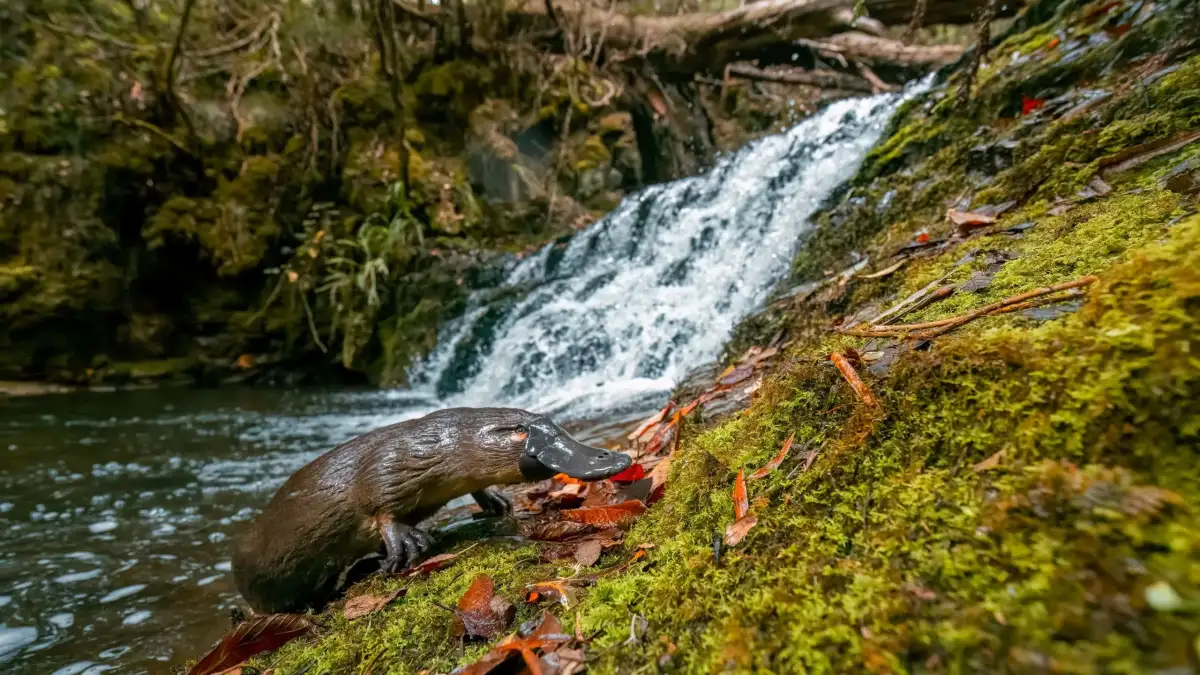
The animal's morphology is a testament to its aquatic lifestyle. A flattened body, dense waterproof fur – typically dark brown on the back and lighter underneath – and a duck-like bill aid its movement and insulation in water. While adept swimmers, they must forage in freshwater environments for their electrical navigation to function effectively.
Read More: Hunter Region Gets $12 Billion Train Factory
Conservation Context and Future Uncertainty
Despite the encouraging numbers in the Royal National Park, the long-term outlook for platypuses remains uncertain. Threats such as habitat degradation, pollution, and climate change continue to exert pressure on their populations across Australia. Organizations like the Australian Platypus Conservancy work to address these issues through research and habitat improvement initiatives. The species' reliance on specific freshwater conditions makes it particularly susceptible to environmental shifts.
The platypus's unique biological traits, including its egg-laying nature and venomous spurs, place it as a significant subject of scientific study, reflecting a distant evolutionary past. Fossil records hint at related species that are now extinct, further emphasizing the platypus's singular position in the animal kingdom.