Senator Marco Rubio, a prominent figure in American foreign policy circles, has underscored India's pivotal role in the United States' strategic outlook for the Indo-Pacific region. Speaking recently, Rubio emphasized that India's importance cannot be overstated for the success of American objectives in this critical part of the world.
Rubio extended a formal invitation to Indian Prime Minister Narendra Modi to visit Washington, a gesture signaling a desire for closer engagement and collaboration between the two nations. The invitation itself suggests a proactive approach from the U.S. to solidify its relationship with India amidst evolving geopolitical landscapes. This move comes as the U.S. continues to recalibrate its foreign policy in the face of global shifts, with the Indo-Pacific emerging as a key theater of engagement.
Regional Dynamics
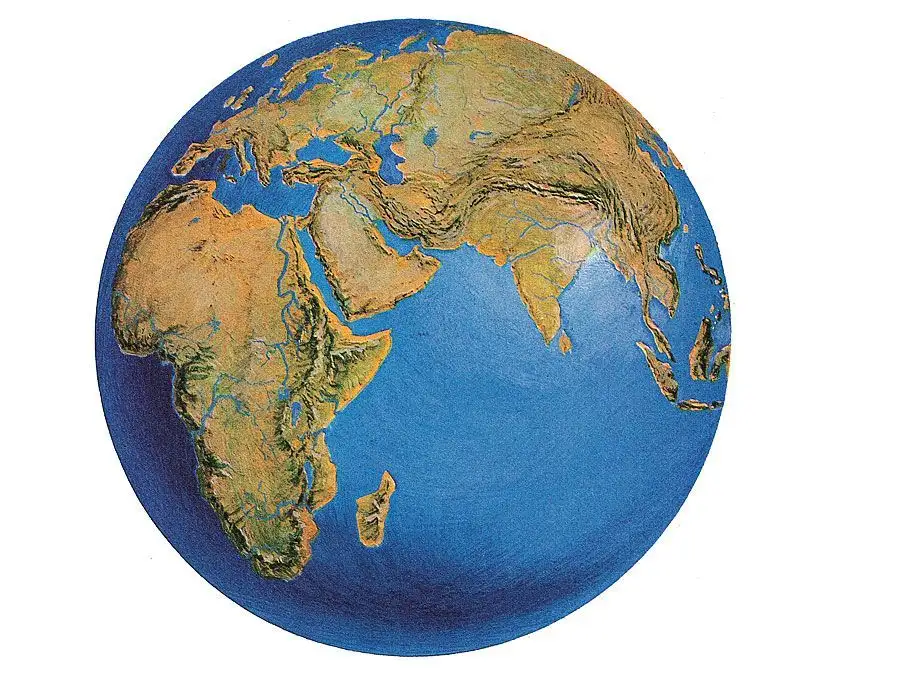
Rubio's remarks arrive as regional powers navigate complex relationships and shifting alliances. The Indo-Pacific is a vast area marked by significant economic activity and strategic waterways, making its stability a matter of global concern. The U.S. administration has increasingly looked to India as a democratic counterweight in the region, fostering a partnership that spans defense, trade, and diplomatic initiatives. India, with its large population and growing economy, is seen as a crucial player in shaping regional security architecture and maintaining a free and open Indo-Pacific.
A Broader Context
India, a South Asian nation, boasts a rich history dating back to ancient civilizations like the Indus Valley. Today, it is home to a population exceeding 1.4 billion, spread across numerous states, and characterized by a mosaic of languages and cultures. Its economy has experienced substantial growth in recent decades, making it a significant global economic force. The country's strategic location and its commitment to democratic principles further amplify its importance on the world stage, influencing dynamics far beyond its immediate neighborhood.