Sonny Rollins, the towering figure in jazz saxophone, has passed away at the age of 95. His death, announced on his website and confirmed by his publicist, marks the end of an era for the genre, leaving behind a legacy of innovation and profound musical exploration. Rollins, often dubbed the "Saxophone Colossus" after his seminal 1956 album, was celebrated for his distinctive tenor saxophone sound, powerful improvisational skills, and a relentless artistic drive that saw him remain a vital force throughout his long career.
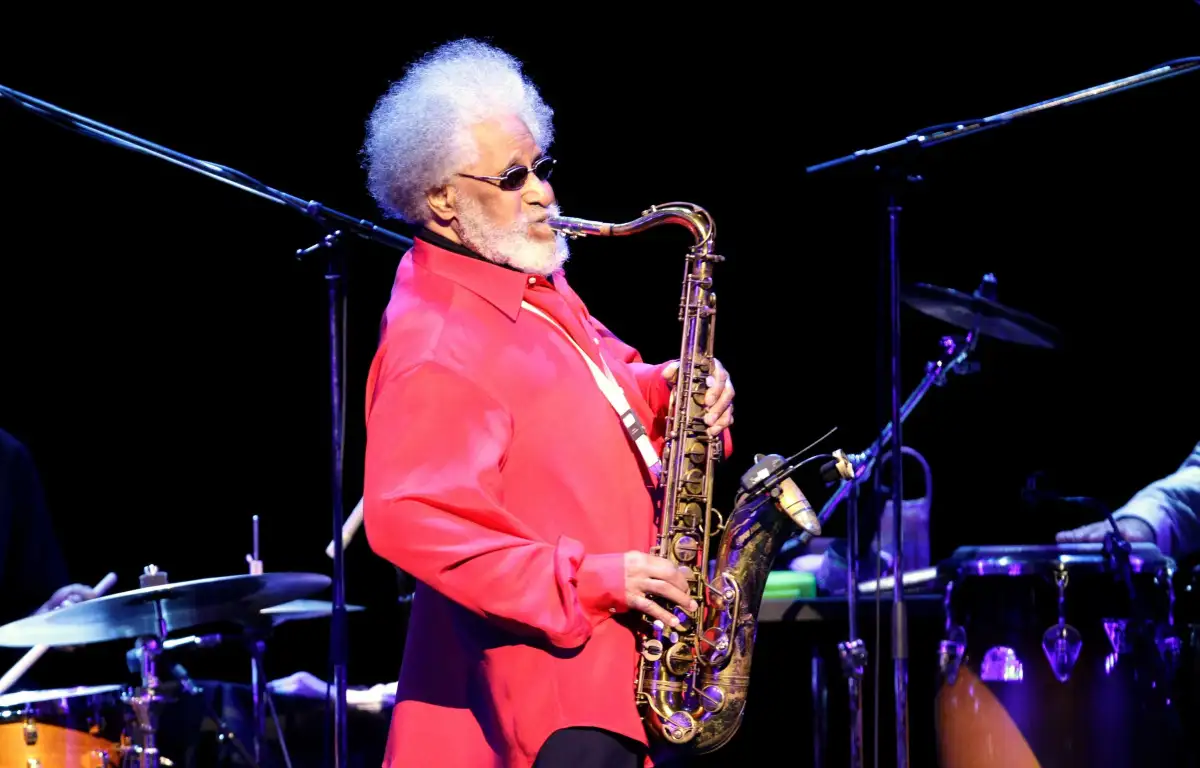
Rollins, a musician who continually pushed boundaries, was recognized for his unique approach to jazz, incorporating elements from various musical traditions and weaving them into his own evolving style. His death occurred at his home in Woodstock, New York. He was among the last surviving giants of jazz's golden age, a contemporary and collaborator of legends like Charlie Parker, Miles Davis, and Thelonious Monk.
Read More: Paul McCartney and Bruce Springsteen impact on rock music legacy 2026

His career began in his late teens, quickly establishing him as a prodigious talent. Rollins underwent a significant personal transformation, finding spiritual solace and overcoming drug addiction, which he credited with opening new avenues in his musical expression. His compositions were often created live, in the moment, reflecting his philosophy that art and life were intrinsically linked. He saw himself as a perpetual work in progress, always seeking to surpass his own achievements.

Throughout his career, Rollins demonstrated an insatiable curiosity, infusing his music with influences ranging from calypso and R&B to rock and funk, particularly in his later years. He maintained a rigorous practice schedule and continued to tour into his eighties, always experimenting and refining his sound. His approach to jazz was characterized by a deep introspection and a desire to explore the full expressive potential of his instrument. He wasn't just recording music; he was mapping out new sonic territories.
Read More: Hildur Guðnadóttir Misses ACO Debut Due to Hollywood Work

Rollins himself stated, "Where I want to go is beyond Sonny Rollins."
Rollins' impact extended beyond his recorded output; his presence on stage was described as both commanding and transcendent, aiming to elevate both himself and his audience to an "exalted realm." He was honored with numerous accolades throughout his life, including presidential decorations and prestigious awards like the Polar Prize. His dedication to his craft, characterized by a "chiselled style" and an "optimistic sound," cemented his status as one of jazz's most influential innovators.
A Legacy of Constant Evolution
Born in 1930, Sonny Rollins' artistic journey was defined by a refusal to stagnate. From his early explorations within the bebop movement, alongside figures like Bud Powell, to his later, more eclectic compositions, Rollins consistently demonstrated a capacity for reinvention. His wife, Lucille Pearson, played a crucial role as his manager and a significant influence on his career.
Read More: Suno Explores API for Music AI Tools for Developers
Rollins believed in integrating all life experiences into his music, creating something new from each encounter.
His enduring connection with India was noted, where jazz was presented as a serious listening experience. This global perspective reflected his broader musical philosophy, embracing diverse influences as fuel for his creative engine. Rollins often spoke of integrating various musical forms, such as European classical music, into the jazz idiom.
He leaves behind a body of work that served as both a challenge and an inspiration, encouraging musicians to continually search and discover. Even into his eighties, he was actively touring and exploring the limits of his musical language. Rollins was one of the few remaining links to jazz's foundational era, a testament to his longevity and his unwavering commitment to artistic growth.
'sonny rollins' 'jazz saxophone' 'bebop' 'improvisation' 'tenor saxophone' 'musical innovation' 'woodstock' 'golden age of jazz' 'legendary musician' 'artistic evolution'
Read More: Weezer releases The Gold Album on August 21 2026 with raw rock sound