PITTSBURGH, PA – The Pittsburgh Steelers have again committed to quarterback Aaron Rodgers, bringing the 42-year-old signal-caller back for another one-year deal. This decision, confirmed recently, appears to signal an 'all-in' approach for the upcoming season, leveraging the experience of a veteran roster. The team's moves throughout the offseason suggest a strategic focus on competing within Rodgers' perceived remaining window.
The Steelers' strategy centers on maximizing their chances with Rodgers at the helm for his 22nd NFL season, despite his advanced age. This commitment is underscored by other roster decisions, including the retention of veteran players like Cameron Heyward (37), T.J. Watt (31), and Jalen Ramsey (31). The team’s offensive design, now influenced by coach Mike McCarthy, is reportedly being tailored to complement Rodgers' current capabilities.

Offensive Adjustments Signal Support for Rodgers
An analyst, speaking on 'NFL Live', noted that the Steelers' offense is "really optimized" for the 2026 version of Rodgers. This includes an emphasis on the run game and plays designed to allow Rodgers to push the ball downfield more effectively. The inclusion of routes like the "hitch route," a staple in the West Coast Offense, suggests an offensive scheme attempting to adapt to Rodgers' strengths.
Read More: FIFA World Cup 2026 Revenue Reaches $15 Billion With New Ticket Prices
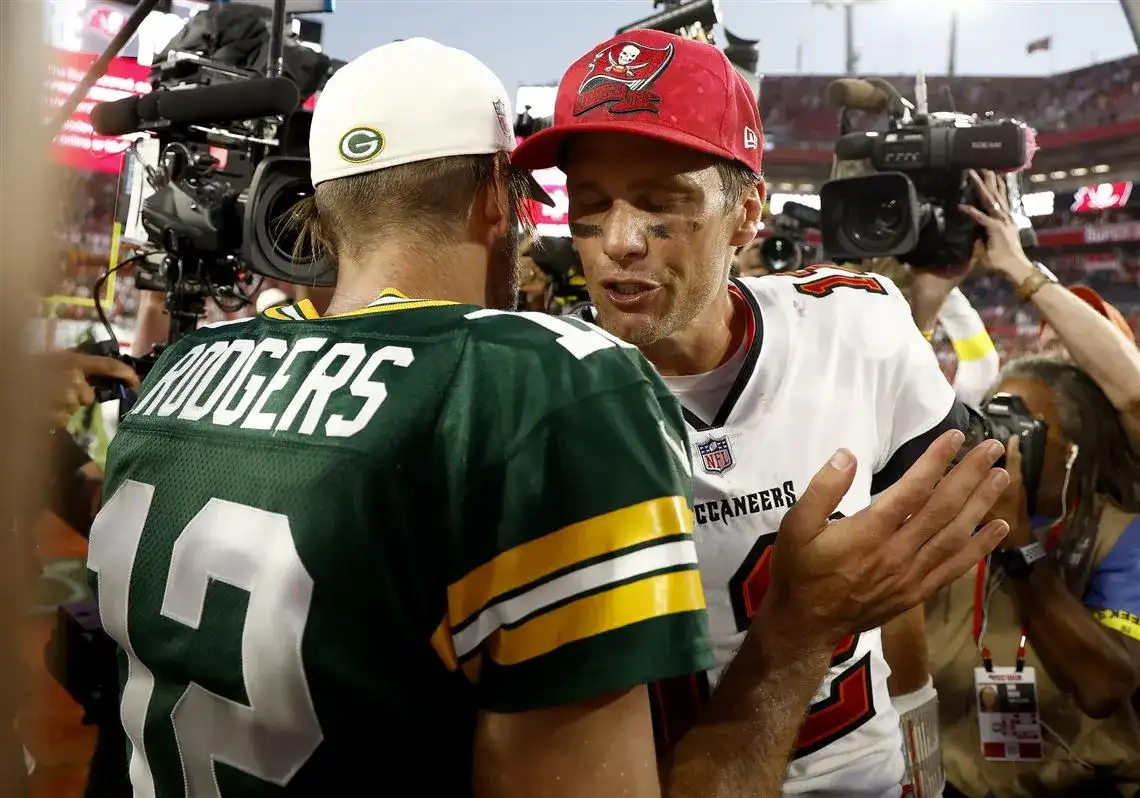
The move to retain Rodgers, rather than pursuing a younger quarterback, indicates a deliberate choice to address both immediate and longer-term team needs, according to some reporting. Skepticism surrounding the decision is acknowledged, but a perceived performance from Rodgers last season is cited as justification for the team's continued confidence.

Historical Precedent and the Gamble
Rodgers joins a select group of quarterbacks who have started games at 42 or older. Historical data indicates that success in this age bracket has been rare, with only one such player achieving significant success. This context frames Rodgers' return as a significant gamble for the Steelers, staking their reputation on one more attempt at a championship run.
The Steelers acquired Rodgers late in his career, joining a franchise historically recognized more for its defensive prowess than its quarterback glamour. This latest decision to build around a veteran quarterback appears to further cement this approach for the immediate future.
Read More: ESPN names Detroit Lions a 'bold prediction' for 2026 NFL season