Today, May 26, 2026, Tehran has signaled a path toward restoring maritime traffic through the Strait of Hormuz to pre-conflict levels within the next month. The move follows intensive, protracted negotiations between Iranian officials and United States representatives, facilitated by regional intermediaries. Core to the potential settlement is a broad cessation of hostilities across the Middle East, with specific focus on southern Lebanon, alongside the unfreezing of Iranian financial assets.

Negotiating Landscape
While state media in Iran suggests the breakthrough is imminent, the diplomatic process remains fragile. The current posture reflects a shift from weeks of open maritime blockage and military confrontation to a calculated transactional phase.

Financial Leverage: The deal reportedly hinges on the release of sequestered Iranian capital, a move designed to mitigate severe domestic economic strain.
Regional De-escalation: The framework explicitly demands an end to combat operations in the Levant, particularly targeting the ongoing bombardment in Southern Lebanon.
Political Fragmentation: Inside Tehran, the prospective agreement has polarized domestic factions. Mohammad Bagher Ghalibaf, the parliament speaker, faces intensified political scrutiny from hardline elements who view the pragmatic shift toward the U.S. as a strategic compromise.
| Negotiation Variable | Stated Requirement | Status |
|---|---|---|
| Maritime Access | Pre-war transit levels | Pending 30-day timeline |
| Regional Conflict | Total cessation in Lebanon | Under discussion |
| Economic | Unfreezing of assets | Core point of contention |
Digital and Social Flux
Simultaneous with these diplomatic signals, the internal administrative state of Iran appears to be shifting. Following a three-month blackout, President Masoud Pezeshkian has directed the restoration of broader internet access, signaling a potential move away from total information isolation. Observers remain skeptical, noting concerns that the state may be transitioning toward a more permanent, Chinese-style digital control infrastructure rather than a simple restoration of connectivity.
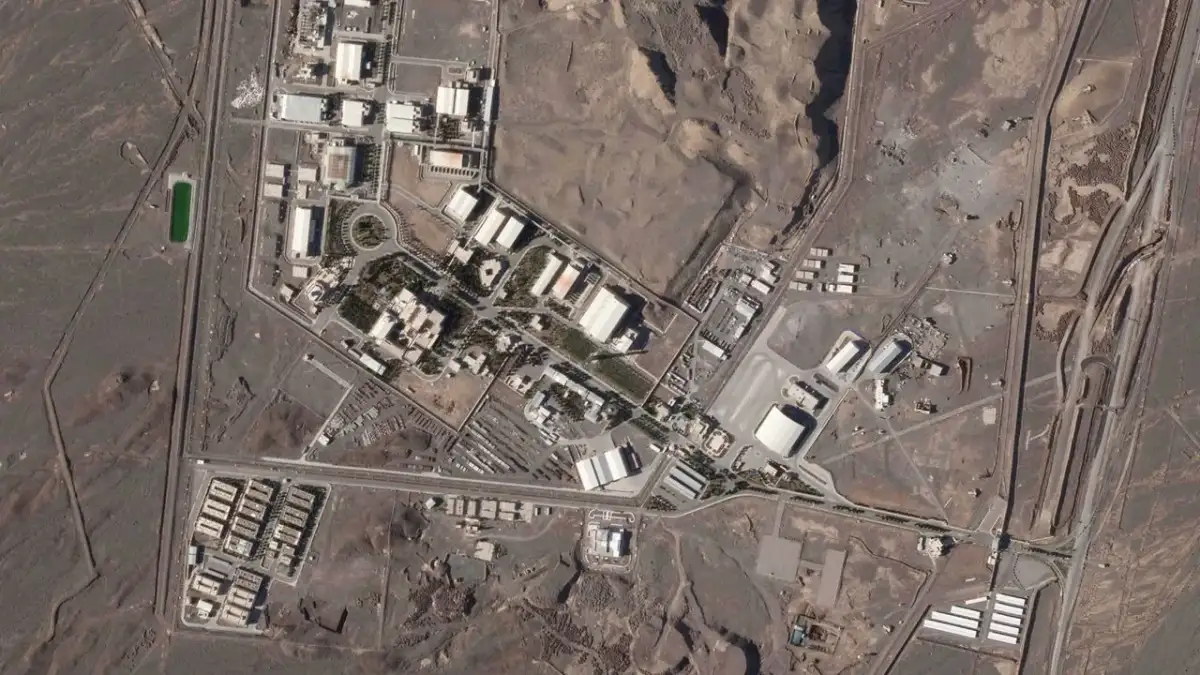
Read More: Iran Zagros Mountain Nuclear Site Construction Update April 2026

"The response, transmitted via the Pakistani mediator, is focused on the end of the war on all fronts, and on guaranteeing the security of maritime navigation." — State Media Framing
Historical Context: A Volatile Pivot
The current climate represents an attempt to halt an conflict that has persisted for weeks, resulting in significant human casualties and systemic disruption to global energy and logistics chains. Susie Wiles has been identified as a key operative in coordinating the Donald Trump administration's negotiation efforts.

The volatility of the region remains high; despite the "good news" hinted at by Washington, internal resistance—exemplified by conflicting reports regarding the Islamic Revolutionary Guard Corps (IRGC)—suggests that structural agreement on the ground may lag behind formal diplomatic rhetoric. Whether this geopolitical realignment leads to a lasting pause or merely a tactical regrouping remains the primary uncertainty for global markets.