The Supreme Court on Tuesday, May 26, 2026, issued a directive to the Central Government, seeking a response concerning significant and long-standing staff and member vacancies within the Income Tax Appellate Tribunal (ITAT). The court has flagged the protracted emptiness of posts, some vacant for nearly a decade, impacting the tribunal's capacity to adjudicate tax disputes. Concurrently, the Bench, comprising Chief Justice of India Surya Kant and Justice Joymalya Bagchi, suggested an interim measure: that tribunals approach High Courts to secure judicial officers on deputation until regular appointments are finalized. The Attorney General, R. Venkataramani, has been formally roped in to assist the court on this matter.
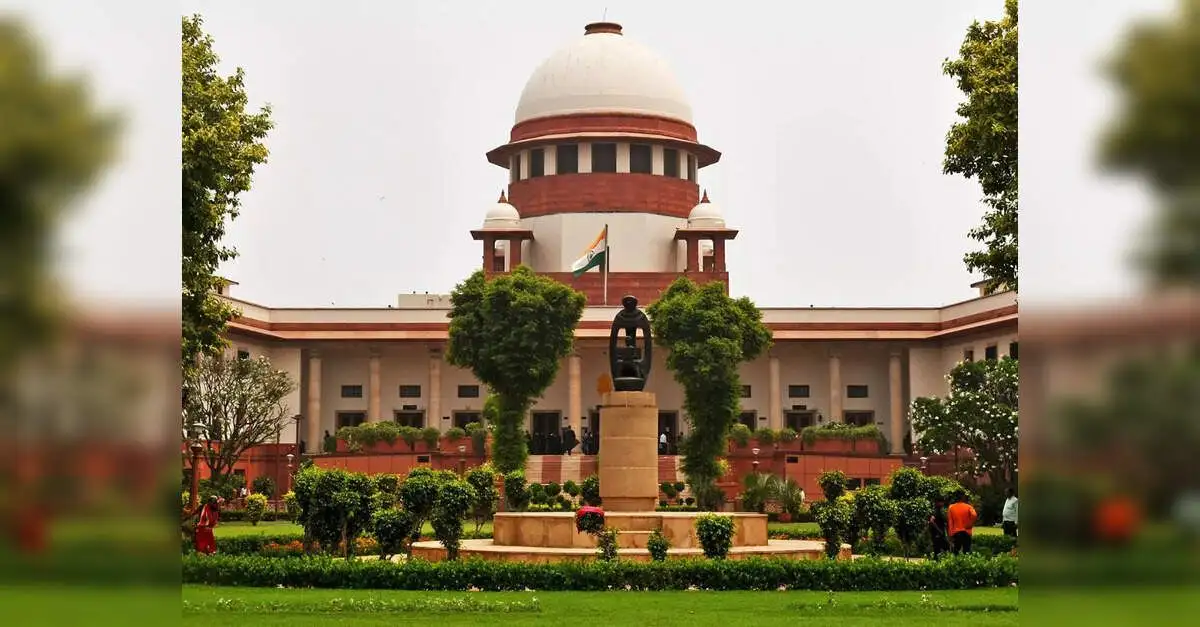
The court's stance, as conveyed through its observation, signals a degree of surprise at the enduring nature of these vacancies. It has assured that the issue will be addressed on an administrative level, with the petition to be forwarded to the Attorney General's office to expedite the filling of these crucial unfilled posts. Senior advocate Mukul Rohatgi, representing the petitioner, underscored the chronic nature of the vacancies, detailing that not just member positions but also administrative roles, such as registrars, have remained unfilled for years, thereby hampering the tribunal's functionality.
Read More: Supreme Court May Order Ayodhya Temple Fund Audit Due to Theft Claims

Judicial Impasse in Tax Adjudication
The core of the public interest litigation revolves around the persistent gap in personnel at the ITAT. These vacancies, stretching back years, create a bottleneck in the resolution of tax-related cases, a situation the Supreme Court has now formally acknowledged.
Background of the ITAT
The Income Tax Appellate Tribunal is a quasi-judicial body established to hear appeals under the Income Tax Act, 1961. It plays a vital role in the hierarchy of tax dispute resolution in India. The tribunal's efficiency is directly tied to the presence of qualified members and administrative staff to handle the volume of cases filed annually. Prolonged vacancies can lead to significant delays in justice delivery, creating uncertainty for taxpayers and the exchequer alike.
Read More: India IVF Costs And Social Barriers Limit Access In April 2026