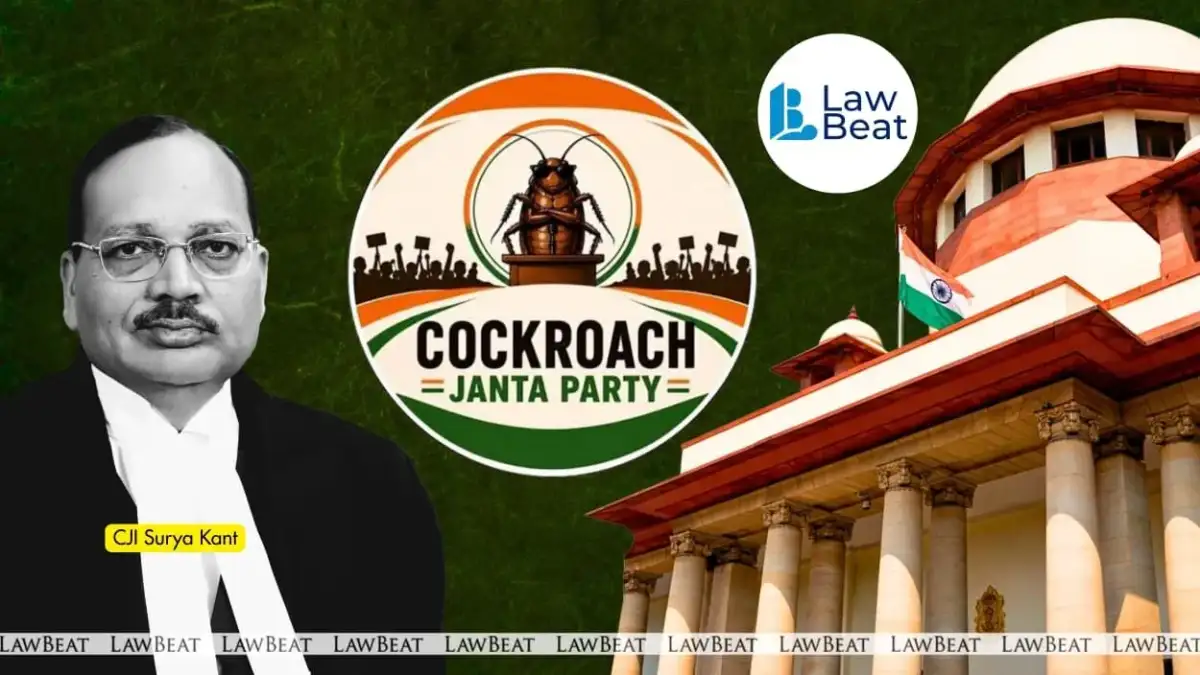
The Supreme Court has refused to grant an urgent hearing to petitions concerning the 'Cockroach Janta Party' (CJP), a satirical online movement that gained considerable traction. Chief Justice Surya Kant advised petitioners against excessive sentimentality regarding the issue, stating the court would address the matter in due course.
The CJP emerged as a rapid, youth-driven response to alleged oral remarks made by CJI Surya Kant on May 15, where he reportedly likened certain unemployed youth and online activists to "cockroaches" and "parasites." The movement quickly amassed millions of followers on social media, transforming courtroom exchanges into "digitally marketable content, political symbolism and viral commodities," according to one of the petitions.

Disputed Remarks and Online Outcry
The controversy stems from the CJI's purported initial remarks. While the CJP movement interpreted these as a broad insult to young people, clarifications later emerged. CJI Surya Kant reportedly specified his criticism was directed at individuals "who have entered professions like the Bar… with the aid of fake and bogus degrees." Despite this clarification, the online backlash was significant, leading to the suspension of some CJP online handles.
Read More: Supreme Court May Order Ayodhya Temple Fund Audit Due to Theft Claims
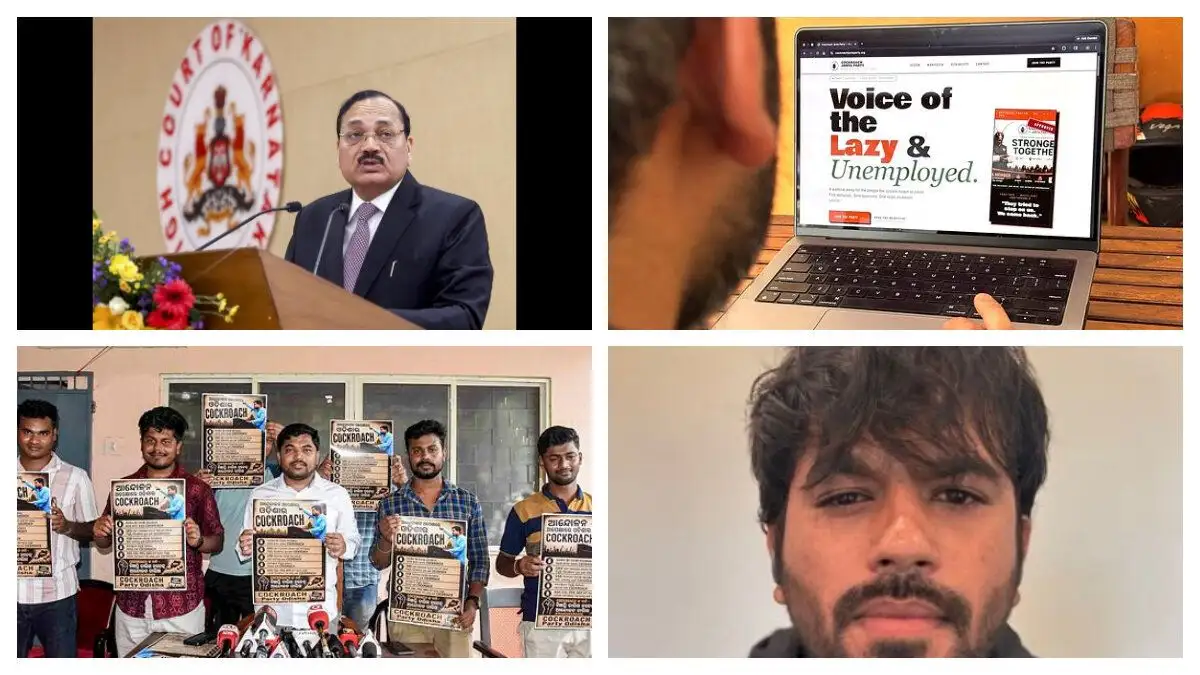
Judicial Prudence Versus Viral Spectacle
Petitioners expressed concern over the transformation of judicial proceedings into viral online content, arguing this could erode public confidence. They noted that Indian constitutional discourse has historically used symbolic language, but expressed unease at the monetisation and spectacle of court proceedings.
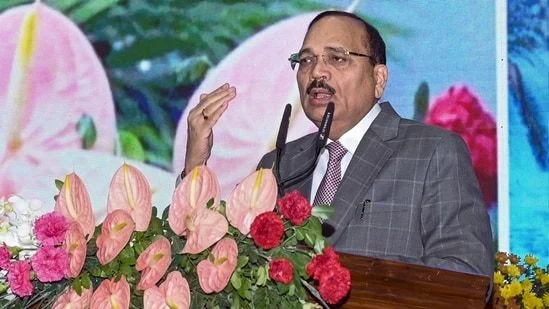
The court's stance, as articulated by CJI Surya Kant, suggests a cautious approach. While acknowledging the need to safeguard against misuse and defamation, the judiciary appears reluctant to police every satirical reaction to its own discourse. The CJI's message, "Don't be sentimental," underscores this reluctance for immediate, high-profile intervention.
Background: A Digital Echo Chamber
The 'Cockroach Janta Party' phenomenon illustrates the potent, and sometimes volatile, intersection of legal discourse and social media. What began as a series of oral observations in a courtroom rapidly morphed into a significant online presence, reportedly even surpassing the popularity of ruling parties on certain platforms. This swift escalation highlights the speed at which online narratives can form and spread, often outpacing traditional verification and response mechanisms.
Read More: India IVF Costs And Social Barriers Limit Access In April 2026
A separate petition also seeks a Central Bureau of Investigation (CBI) probe into alleged fake advocates and fraudulent law degrees, a matter linked to the broader context of the CJP's origins. The Supreme Court's decision not to grant an urgent hearing on these intertwined issues indicates a preference for a more measured consideration, awaiting the opportune moment for detailed examination rather than succumbing to the immediate intensity of the viral phenomenon.