Recent days have seen a flurry of reports and analyses probing the mental state of Donald Trump, the 45th and 47th President of the United States. The discourse, fueled by persistent rumors and professional commentary, centers on claims of erratic nighttime behavior, with terms like "sundowning" and "psychosis" surfacing in discussions. While diagnostic conclusions are generally cautioned against without direct examination, the sheer volume of anecdotal observations and public statements has ignited a debate about the president's cognitive well-being.

The persistent rumors, often amplified on social media, point to unusual behavior patterns, particularly in the latter parts of the day, leading to speculation about conditions like "sundowning." This is compounded by professional commentary, such as that from psychologist John Gartner, who initiated a petition signed by thousands of his peers. Gartner's association, "Duty to Warn," has been vocal about concerns regarding Trump's mental faculties. The situation is further complicated by Trump's active campaign schedule and his frequent, often unpredictable, public pronouncements, which some interpret as indicative of underlying cognitive issues.
Read More: US 250th Anniversary on July 7, 2026, sees 20% not celebrating

Recent events have underscored the intense scrutiny. Trump's potential absence from his son's wedding, cited due to ongoing US-Iran peace negotiations, highlights the high-stakes diplomatic backdrop against which these personal and professional speculations unfold. Reports of his team dismissing a diplomatic agreement with Iran and the alleged "black box" fund for compensating opponents of Joe Biden further add layers to the public perception of his decision-making processes.
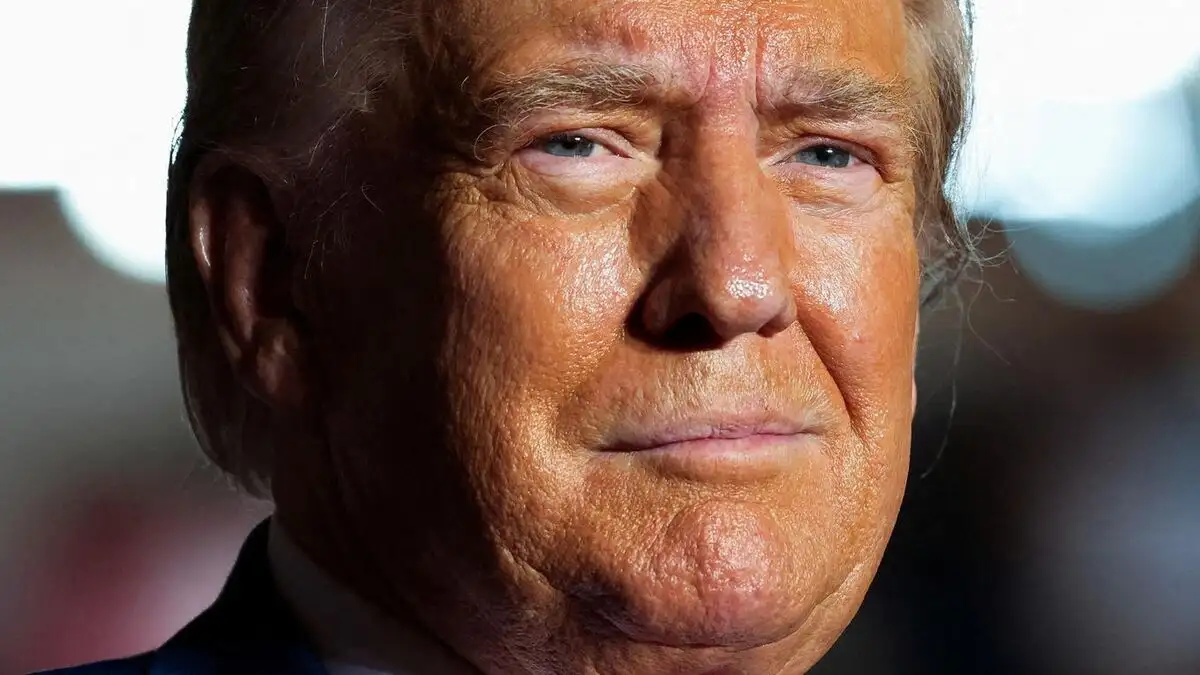
Deepening Concerns and Public Discourse
Professional assessments, though circumspect, have become more prominent. Psychologists and commentators, while emphasizing the impossibility of a formal diagnosis from afar, note patterns that invite concern. One particular area of focus is Trump's alleged "narcissistic delirium," a concept explored by professionals observing his public persona.
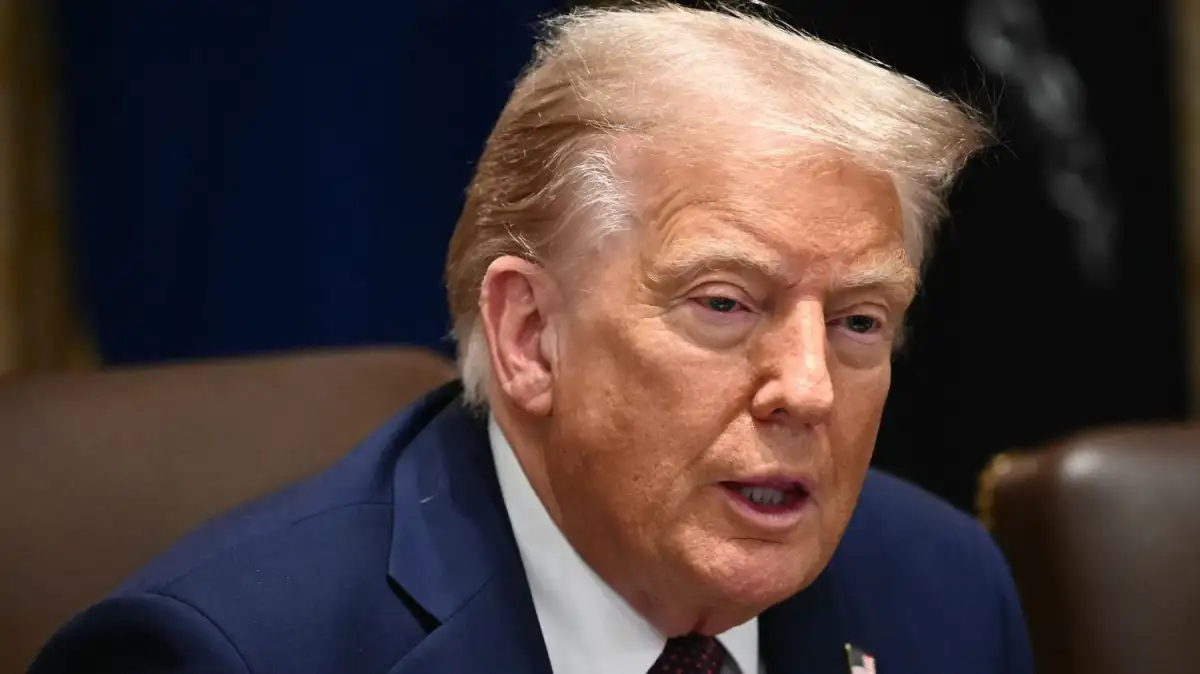
The period since his return to active political engagement has been marked by what some describe as an accelerated agenda. This includes:
Read More: India IVF Costs And Social Barriers Limit Access In April 2026
Threats of severe sanctions against the European Union.
Public statements regarding the annexation of Greenland.
Proposals for the "kidnapping" of Nicolás Maduro.
Claims for the Nobel Peace Prize.
Strengthening of the ICE (Immigration and Customs Enforcement).
These actions, coupled with his rhetoric, have led to the recurring, albeit imprecise, use of the term "madness" to describe his behavior by segments of the public and media.
Background: A Divisive Figure Under Constant Observation
Donald Trump, a figure who has consistently divided opinion, remains under a relentless spotlight. His controversial temperament and actions have been a constant source of discussion throughout his public life. For years, close associates and observers have offered what they term "severe confidences" about his private conduct and perceived personality traits.
These observations have frequently touched upon his business dealings, his brand-building prowess, and his rejection of multilateral trade agreements. Financial analysts have noted that his wealth is largely derived from the "Trump brand" itself, rather than from publicly traded company shares.
The current period, marked by his 47th presidential term, is occurring amidst a backdrop of significant geopolitical events, including ongoing conflicts and delicate diplomatic negotiations. His public appearances, media interviews, and policy announcements are continually dissected, feeding the ongoing speculation about his cognitive and psychological state. Recent public incidents, such as an attempted assassination attempt in July 2024 and ongoing legal challenges, further intensify the focus on his resilience and decision-making under pressure. The recurring rumors, while often unsubstantiated, reflect a deep-seated public curiosity and concern regarding the mental acuity of a prominent world leader.
Read More: Trump says Vance-Rubio ticket would be "unbeatable" for 2028