Donald Trump recently shared an AI-generated image depicting Barack Obama's fictional mugshot. This digital artifact surfaced months after Trump himself made a widely criticized post, itself a point of contention for its perceived racial undertones.
The sharing of the AI-generated Obama mugshot, a digitally constructed image, by Trump serves as a curious point of intersection between political discourse and evolving media technologies.
The incident brings into focus a recurring pattern of digital engagement, where simulated or fabricated content appears to hold sway in public pronouncements. This latest instance follows a prior controversy involving a post by Trump, itself a subject of debate concerning its potential racial implications.
A History of Digital Currents
The political landscape has long been a stage for carefully crafted messages. In recent times, however, the nature of these messages has begun to shift. The lines between genuine representation and digital fabrication appear to be blurring, creating new avenues for expression and, concurrently, for misinterpretation.
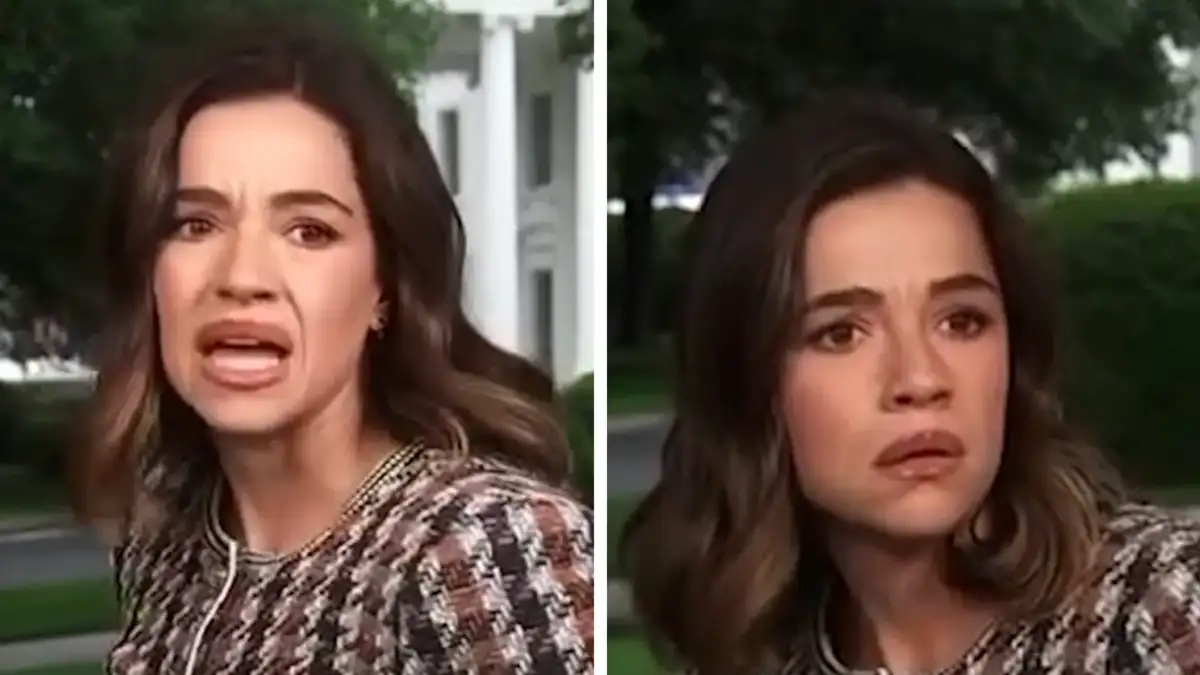
Read More: White House Gunfire: Reporter's Reaction Goes Viral
The emergence of tools capable of generating realistic, yet entirely artificial, images introduces a complex layer to how political figures engage with the public. This technology allows for the creation of visual narratives that can be instantly disseminated, irrespective of their factual basis.
This trend is not isolated to one particular figure. Across the political spectrum, the influence of digitally manipulated content on public perception is a subject of ongoing observation. The ease with which such images can be produced and shared presents a novel challenge for understanding and navigating contemporary information flows.
Contextualizing the Visuals
The sharing of the Obama mugshot image by Trump occurs in the aftermath of other significant political events and pronouncements. Past controversies surrounding Trump's public statements and digital posts have established a precedent for scrutinizing his online activities.
Read More: NVIDIA GPU-Direct Storage for Vera Rubin Observatory Data Processing
The precise motivations behind the sharing of such digital artifacts remain a subject of varied interpretation. However, the act itself underscores a willingness to engage with and propagate imagery that exists outside conventional factual reporting.
Donald Trump, a figure whose presidency and post-presidency have been marked by a distinctive approach to media engagement, continues to utilize digital platforms in ways that invite considerable public attention and commentary. His interactions with politically charged imagery, whether authentic or synthesized, remain a consistent feature of his public persona.