As of 08:55 PM on May 23, 2026, the political landscape is defined by institutional friction. The Trump administration faces mounting pressure over its fiscal maneuvers, while local governance in the D.C. mayor's race and Virginia state policy encounters intensifying procedural roadblocks.

Executive Friction and Legislative Standoffs
The Trump administration is currently grappling with internal and legislative opposition regarding its financial and military priorities. The most significant point of contention is the $1.8 billion 'Anti-Weaponization Fund', which has prompted a revolt among Republican legislators and triggered active legal challenges.

Tulsi Gabbard has resigned from her position as Director of National Intelligence, marking a shift in the administration's security architecture.
5,000 troops are reportedly being deployed to Poland, a move creating significant ambiguity regarding U.S. military strategy in Europe.
The Green Card process has been overhauled, creating a situation where hundreds of thousands of applicants may be required to exit the United States to satisfy new application mandates.
| Issue | Status | Source of Tension |
|---|---|---|
| Anti-Weaponization Fund | Challenged | Fiscal oversight / GOP revolt |
| Iran Strategy | Evolving | Divergence between Trump and Netanyahu |
| Personnel | Resigned | Tulsi Gabbard (DNI) |
The core tension lies in the administration's attempt to bypass standard budgetary norms, forcing a confrontation with Congress that threatens to rupture party unity.

Regional Governance: Virginia and D.C.
Outside of the federal arena, political mechanisms are stalling at the state and municipal levels. In Virginia, Governor Spanberger is actively utilizing veto powers to halt legislative momentum, setting the stage for prolonged executive-legislative stalemates. Meanwhile, the D.C. mayoral race has tightened significantly as candidates struggle to consolidate support amid shifting constituent priorities.
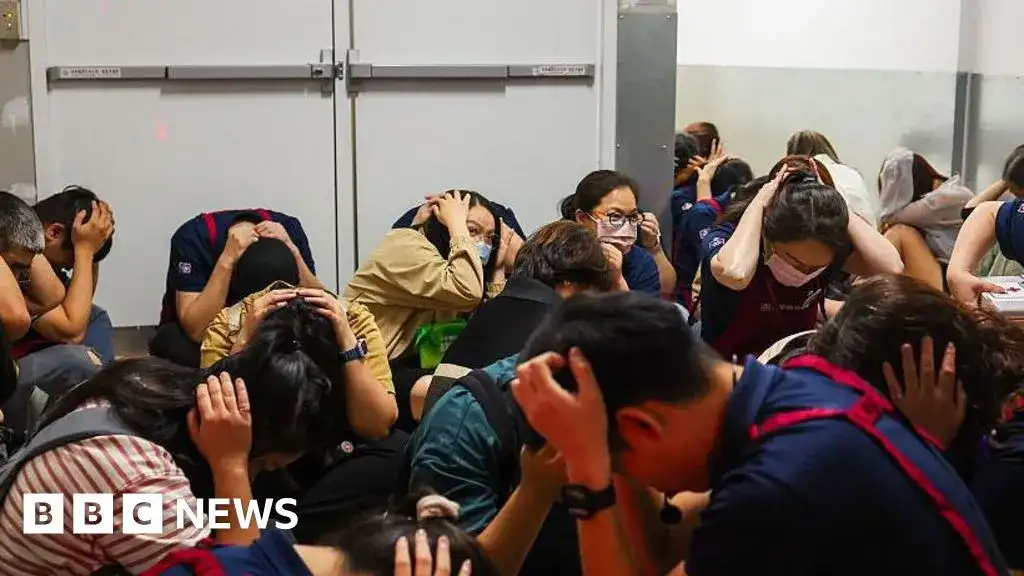
Read More: Taiwan Holds Nantou County Drills to Prepare for State Collapse

"Reforms are needed of the welfare system to tackle the high numbers of young people not in work or education," noted Alan Milburn, addressing the systemic Youth Unemployment crisis.
Contextualizing the Drift
The current state of play reflects a wider fragmentation. The Trump Administration appears to be increasingly centered on executive-led initiatives—often termed 'pet projects'—that ignore traditional legislative input.
Intelligence and Espionage: Iranian-linked actors are reportedly targeting critical infrastructure sectors, including aviation and energy, adding a layer of security urgency to the administration's diplomatic failures regarding Iran.
Social Policy: There is a growing, cross-border concern regarding the failure of the welfare state to engage the youth population. Critics describe the current spending imbalance as 'shameful', arguing that the state is neglecting human capital development in favor of passive support structures.
These events, while geographically and thematically disparate, share a common denominator: the breakdown of established procedural norms in favor of concentrated, volatile executive decision-making.