UK households face the prospect of significantly higher energy bills as a protracted conflict involving the United States and Iran disrupts global oil and gas markets. Analysts project potential increases, with forecasts indicating a rise of over £160 to £500 annually for typical households. This situation is exacerbated by the UK's substantial reliance on gas for electricity generation and its limited storage capacity, leaving the nation vulnerable to volatile international prices.

The immediate impact is being felt in wholesale energy costs, which have surged. This trend is directly influencing energy tariff providers, some of whom have withdrawn deals or increased prices significantly. The disruption in the Strait of Hormuz, a critical chokepoint for oil and gas tankers, is a key factor in the ongoing price hikes.

Mounting Pressure on Consumers and Government
Energy consultancy Cornwall Insight has revised its forecasts, predicting a 13% increase in current bills due to the Middle East conflict. This change has shifted predictions from minimal increases to substantial hikes, with the energy cap for a typical dual fuel household potentially reaching £1,850 between July and September. Experts warn of an impending "payment shock" as autumn approaches and energy consumption rises with dropping temperatures.
Read More: Solaris Energy SEI Stock Price Forecast Reaches $91.98 by July 2027
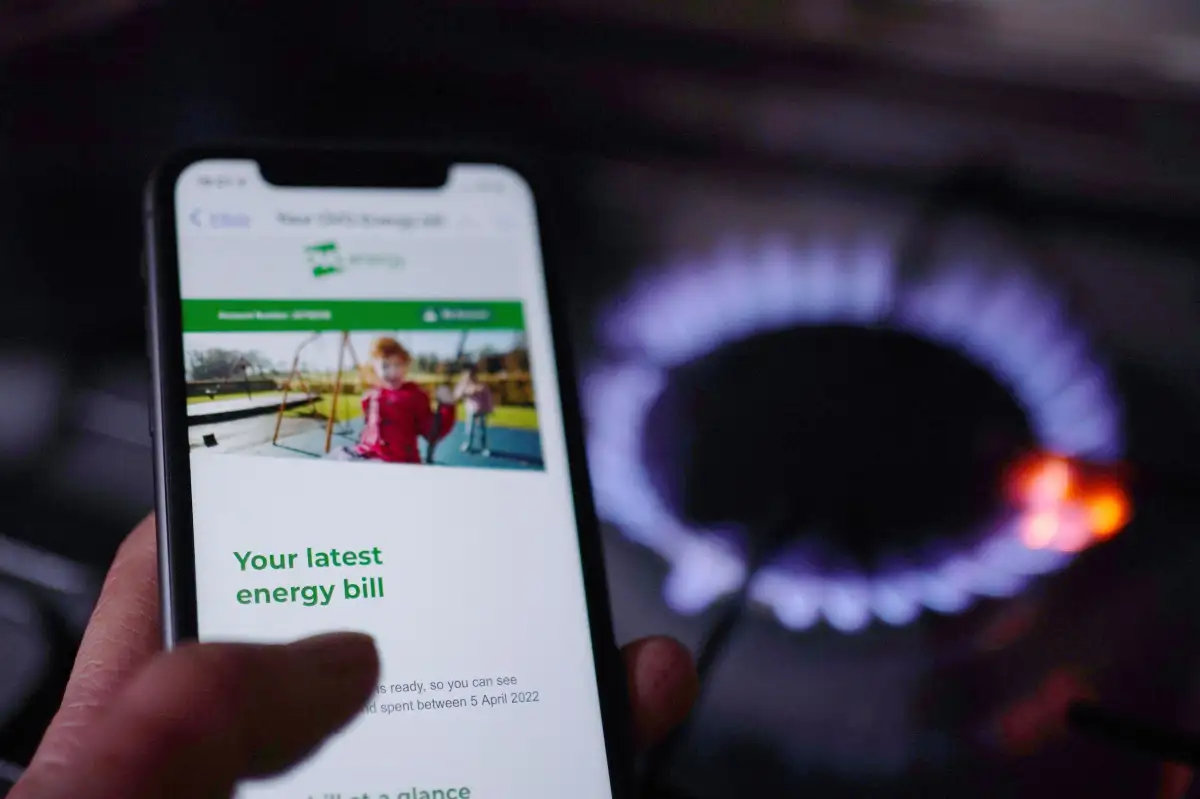
The government is under increasing pressure to outline specific actions to support vulnerable households facing these escalating costs. Discussions are underway regarding potential "targeted support" packages, with a focus on those relying on heating oil.

Global Ripples and Domestic Vulnerabilities
The conflict's effects extend beyond heating bills, impacting petrol prices and potentially contributing to rising inflation. The higher cost of energy filters through to both consumers and businesses, hitting energy-intensive industries particularly hard. Some international bodies are even urging global governments to consider emergency measures to reduce energy consumption.
Read More: Pressure Washer Mistakes Cost UK Owners More Money
While gas markets have seen some minor easing, prices remain considerably higher than before the conflict. This persistent elevated cost, coupled with supply uncertainties, underscores the intricate connection between global geopolitical events and domestic economic stability. The ongoing situation raises questions about the long-term implications for consumer finances and the broader economic landscape.
Background:
The current situation stems from escalating tensions and military actions involving the United States and Iran in the Middle East. These events have directly impacted maritime trade routes crucial for global energy supply, leading to significant volatility in oil and gas markets. The UK, as a net importer of energy, is particularly susceptible to these global price fluctuations. Historically, the UK's energy security has been a recurring theme, with past price shocks highlighting the challenges of relying heavily on imported fossil fuels and the need for diversification and improved storage capabilities.
Read More: Summer AC Settings: Save Money by Raising Thermostat