Medical Professionals Cite Lack of Transparency Amid Frequent Checkups
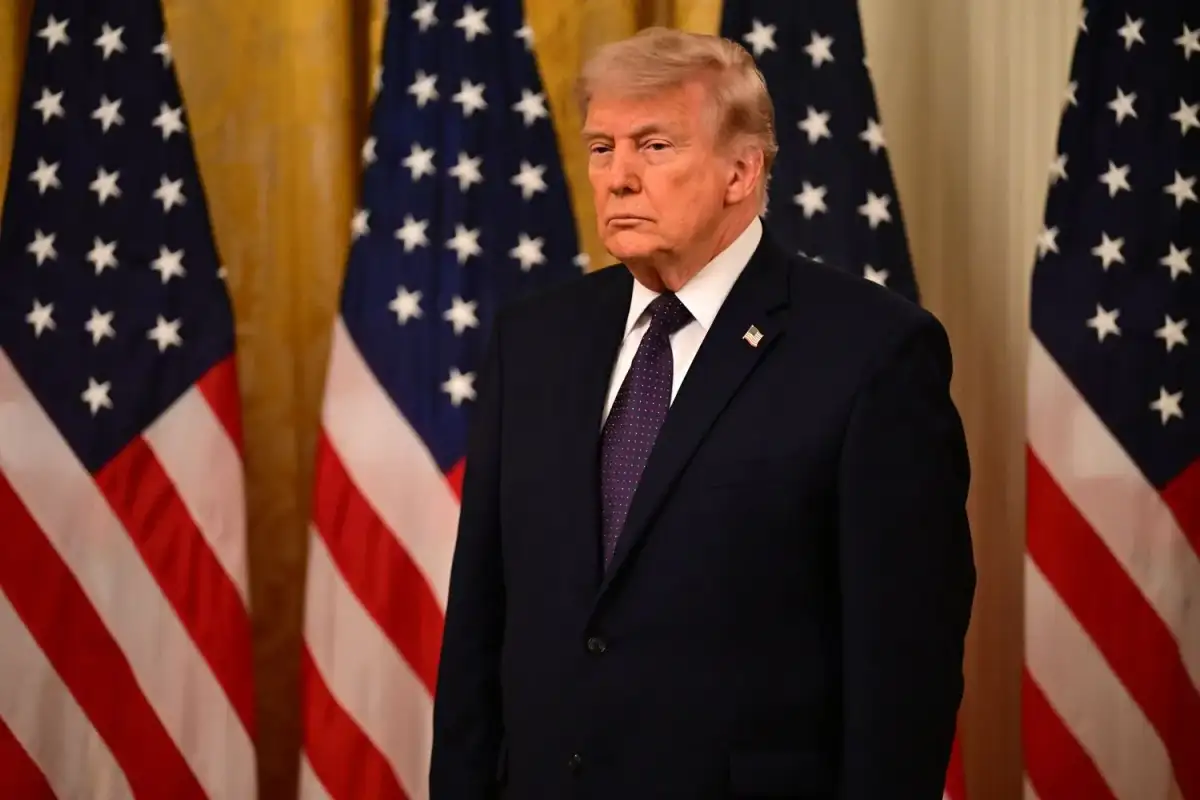
Washington D.C. – President Donald Trump is slated for his third visit to Walter Reed National Military Medical Center in just over 13 months on Tuesday, May 26th. This recurrence of medical evaluations, occurring as Trump approaches his 80th birthday on June 14th, has rekindled questions from independent physicians and prompted calls for greater transparency regarding the president's health and fitness for office.
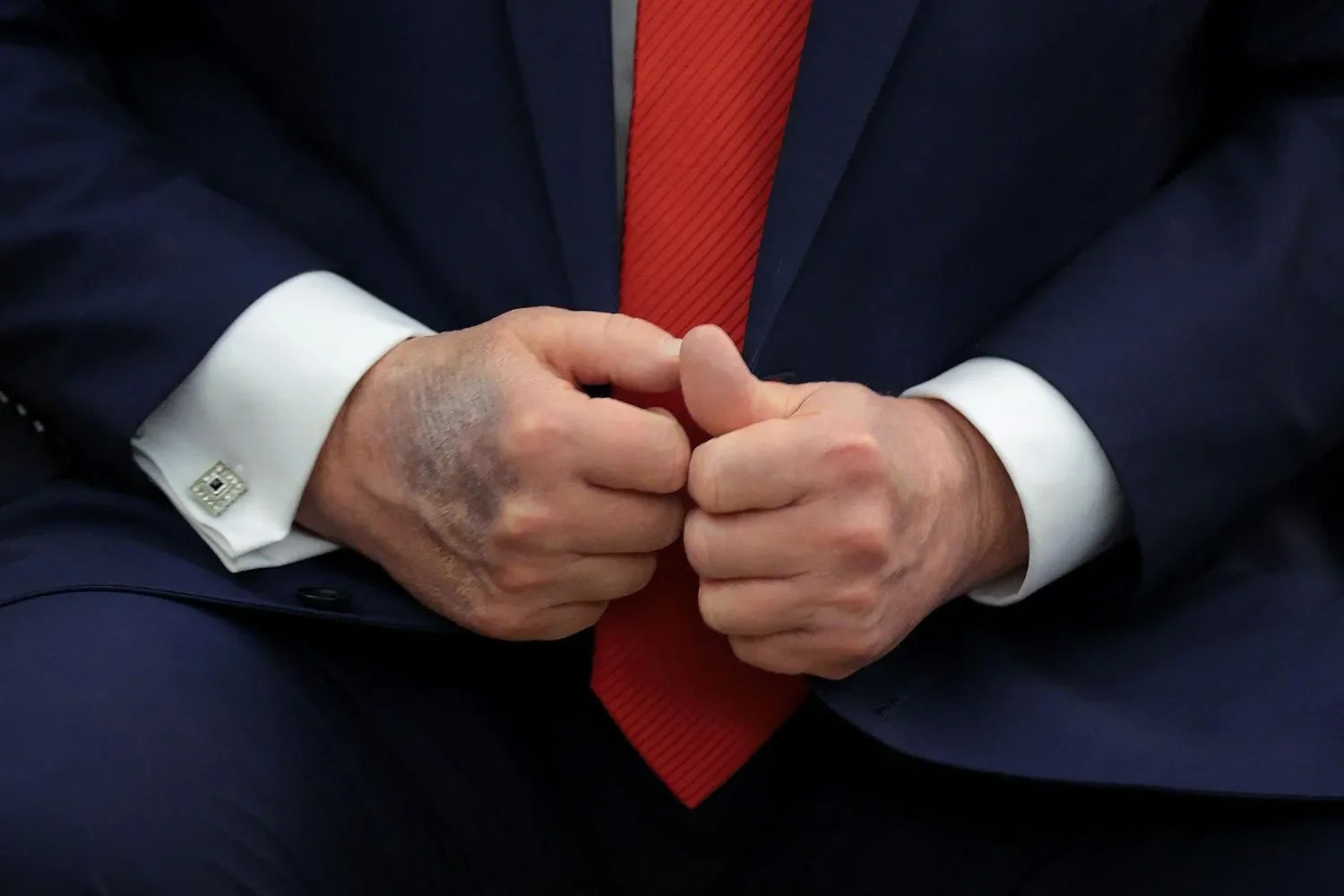
The White House has characterized the upcoming appointment as a routine medical and dental check-up, yet outside medical professionals express persistent skepticism, arguing that the administration has consistently "lacked candor" in addressing the president's condition. Specific concerns cited by these physicians include recurring bruising on Trump's hands, observed leg swelling, and occasional instances of apparent drowsiness during public appearances. While the White House has attributed the bruising to frequent handshakes and aspirin use, and the drowsiness to potential factors like a thin blood prescription, these explanations have not assuaded all observers.
Read More: Trump's Memorial Day posts attack opponents instead of honoring fallen
Recurring Scrutiny
This latest trip to Walter Reed follows a pattern of medical examinations that have drawn public attention. Trump's second visit, in particular, generated weeks of inquiries into his diagnosis and procedures, which the administration reportedly "repeatedly sidestepped."

The frequency of these visits in a relatively short period has intensified speculation, particularly given Trump's age. He is the oldest individual ever elected president.
Public opinion surveys reflect some public unease; one report indicates that 55 percent of Americans believe Trump is not in good enough health to serve effectively, while 44 percent disagree. This sentiment represents a dip from previous assessments.
Trump himself has frequently trumpeted claims of his excellent health, even boasting about his ability to pass cognitive tests. However, some analysts suggest these boasts, rather than allaying concerns, merely highlight why such tests are administered in the first place.
Underlying Issues and Observations
Visible physical signs have been a focal point of the speculation. These include:

Bruising on his hands, which the White House explained as a result of frequent handshakes and aspirin use.
Swelling in his legs and ankles, a condition for which Trump was diagnosed with chronic venous insufficiency last July, related to his age.
Apparent drowsiness during public events, including Cabinet meetings where his eyes were reportedly closed for extended periods.
The White House has consistently defended Trump's vitality. However, former White House physicians have publicly urged for more open communication about the president's medical status. The ongoing debate has also led to suggestions for more frequent presidential health checks and the establishment of an independent commission to assess presidential fitness.
Context and Background
Donald Trump's health has been a subject of public discussion and concern throughout both his first and second terms. The nearly 80-year-old president is scheduled for this latest checkup just ahead of his milestone birthday. His own remarks about his health have varied, with him telling one outlet he felt "the same as I did 50 years ago," while acknowledging to another that he regretted a scan that allowed opponents to raise questions.
Read More: Zambia gets new HIV shot, but questions about access remain
The consistent pattern of medical checkups and the persistent questions surrounding his physical and mental acuity underscore a continuing narrative about the health of a figure in the nation's highest office.