


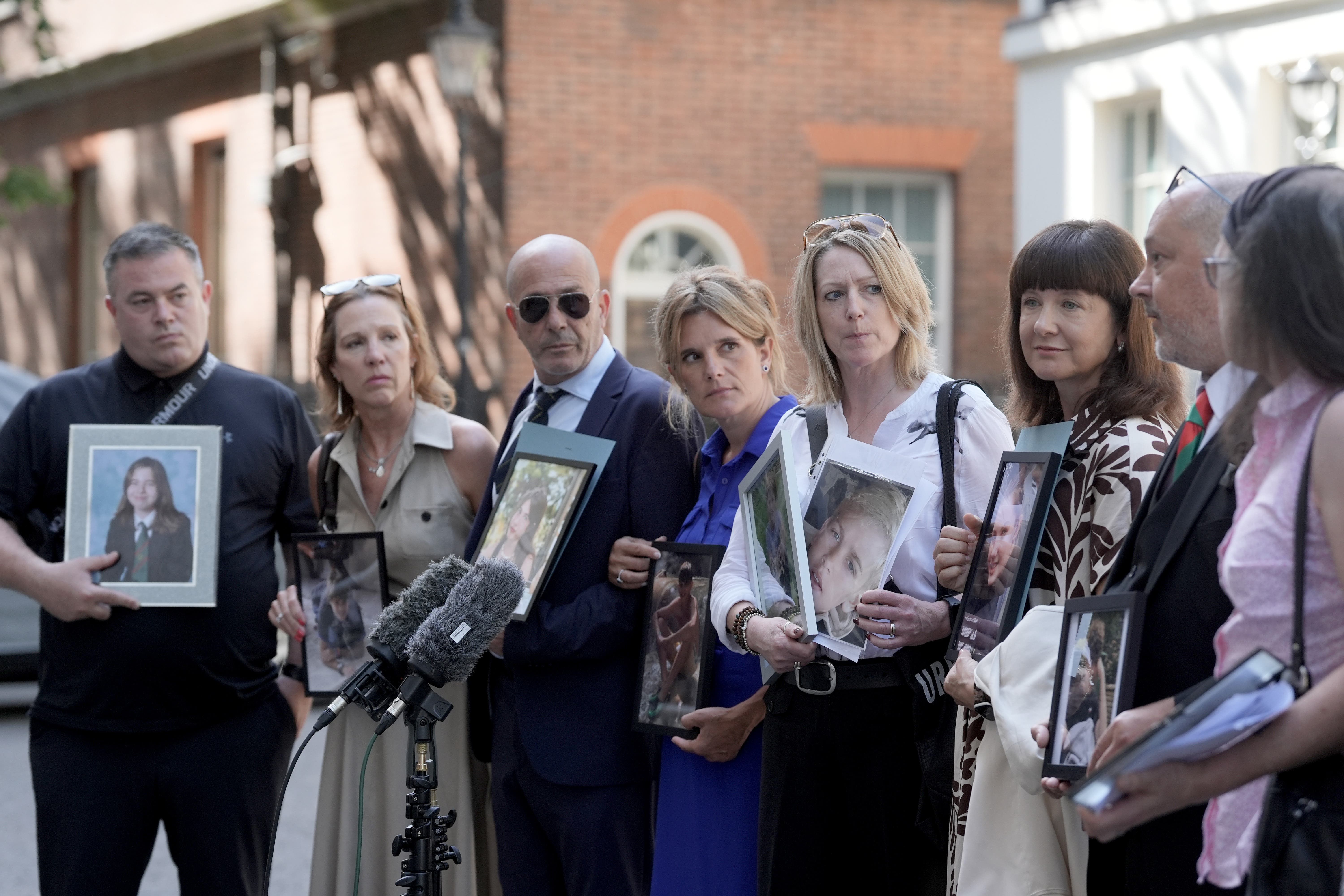
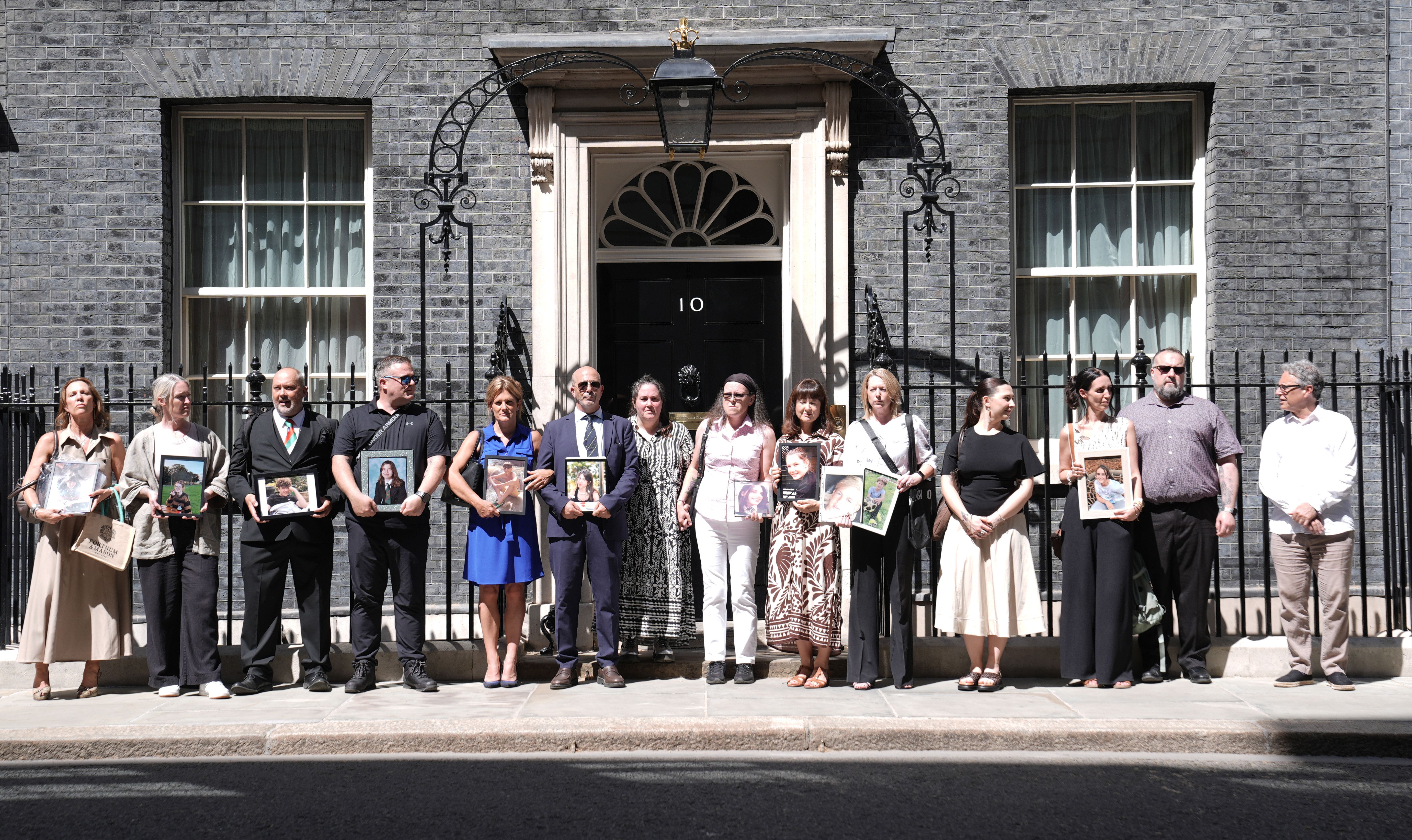
Bereaved parents have been assured that the government will announce its online safety plan in "weeks, not months," following a meeting at 10 Downing Street. The consultation period for the "Growing Up In The Online World" initiative, which explored measures like a social media ban for under-16s, app curfews, and limitations on addictive features, has now concluded.
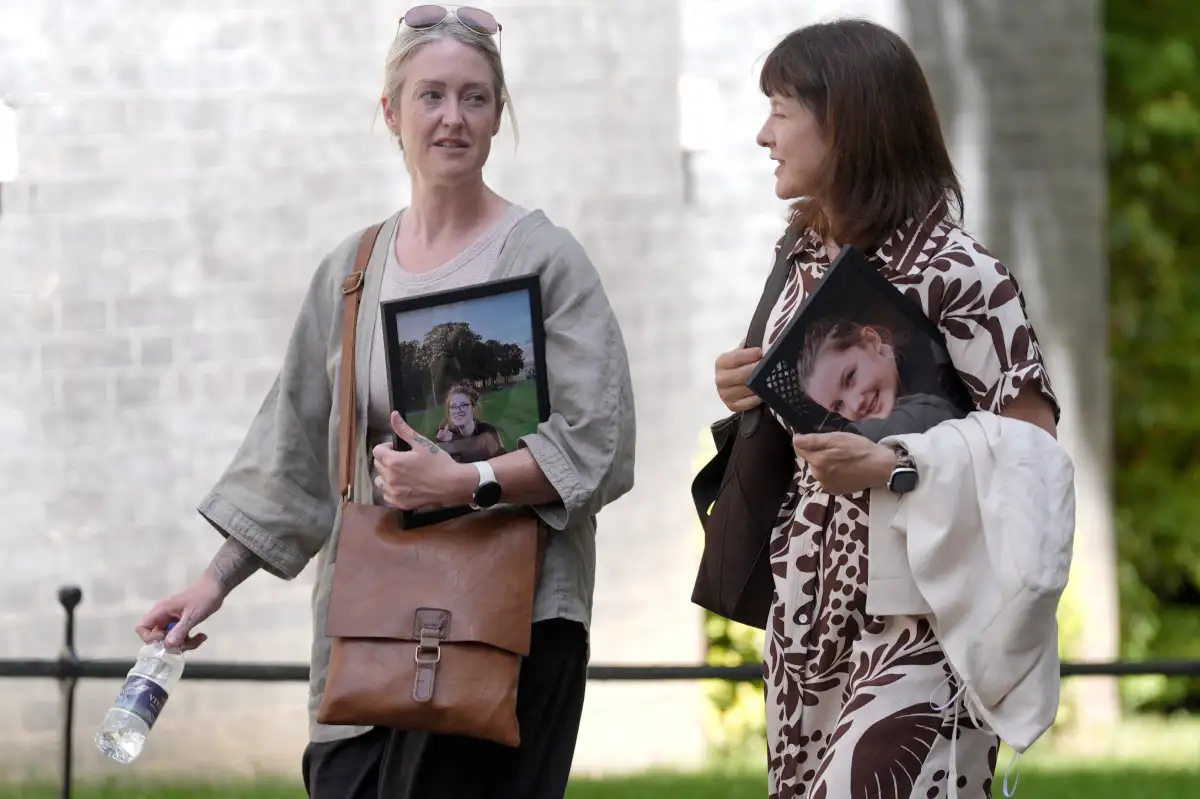
Parents, many carrying photographs of their deceased children, met with the Prime Minister on Tuesday. They voiced concerns that this measure is long overdue, with campaigner Ellen Roome stating, "We have been campaigning for years and been crying out for action." The core of their plea, articulated by Lorin LaFave, mother of murdered 14-year-old Breck Bednar, is a call for the Prime Minister to "choose children over Big Tech."
Consultation Closes Amidst Pilot Programs
The government's "Growing Up In The Online World" consultation officially closed on May 26, 2026, having garnered nearly 30,000 responses from parents and children. Running concurrently are six-week pilot programs involving 300 UK families. These pilots are testing various interventions:
Read More: Australia Gambling Ads: New Rules Start May 12, Affecting TV and Online
Social Media Ban: Parents are being instructed on using parental controls to disable access to selected social media apps.
Time Limits: One group of children will have their access to popular social media apps capped at one hour per day.
App Curfews: Another group will have social media access blocked between 9 pm and 7 am.
Control Group: A final group will maintain their current social media access levels for comparison.
These pilots aim to gather evidence on the impact of restrictions on children's daily lives, including sleep, family interactions, and schoolwork, to inform the government's next steps. Professor Amy Orben noted the current lack of insight into how "different types of social media policies might work in practice."
Background: A Shift Towards Stricter Online Regulation
This push for swifter action comes as the government attempts to navigate the rapidly evolving digital landscape. In February 2026, the Prime Minister announced new powers to address child online safety, with a commitment that "no platform gets a free pass." This was intended to close loopholes and lay the groundwork for faster action, including new measures against AI chatbots to protect against illegal content.
Read More: Chrome mimeHandler API lets extensions handle file types
The existing 'Online Safety Act', which came into effect in July 2025, primarily focuses on visible online content and requires platforms to check user ages, with potential fines for non-compliance. However, the debate has expanded to encompass usage patterns, including app addictiveness.
The government has been exploring various measures, informed by international examples such as Australia's six-month-old ban on social media for under-16s, though results from that measure remain inconclusive. Potential options under consideration include time-of-day restrictions, bans on unsolicited contact, prohibition of location sharing, mandatory message preservation for investigations, and stricter content rules for material related to nudity and other harmful topics. The broader aim is to "give UK kids their childhood back."






