
Incidents involving portable chargers are on the rise globally, prompting aviation authorities to re-emphasize safety protocols for passengers. The UK's Civil Aviation Authority (CAA) has flagged a growing number of serious issues linked to power banks on aircraft, urging travelers to be vigilant not only during flights but also in their daily use of these devices.
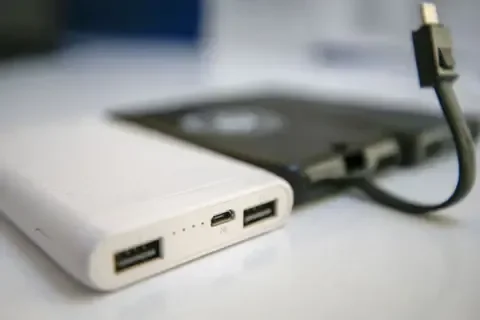
The core issue stems from the lithium-ion technology powering these portable chargers, which can overheat and ignite. This inherent risk, combined with increasing passenger reliance on such devices, has led to a concerning uptick in onboard incidents. The CAA is planning a summer campaign with UK airlines to disseminate these rules.

Key Regulations for Passengers:
Carry-on only: Portable chargers must be in carry-on luggage, never in checked baggage.
Limited quantity: Passengers are generally restricted to a maximum of two power banks.
Usage restrictions: Passengers are advised not to use power banks on board and absolutely not to charge them while on the aircraft, as this is when they are most susceptible to overheating.
Visibility: Some airlines now require activated chargers to be kept in plain view.
These warnings come after a recent incident where a UK-bound EasyJet flight was diverted to Rome due to a passenger packing a power bank in their checked luggage. Such occurrences underscore the potential dangers, with reports indicating that lithium battery incidents on US flights are now happening more than once per week.
Read More: Margaret River Named World's Best Wine Place
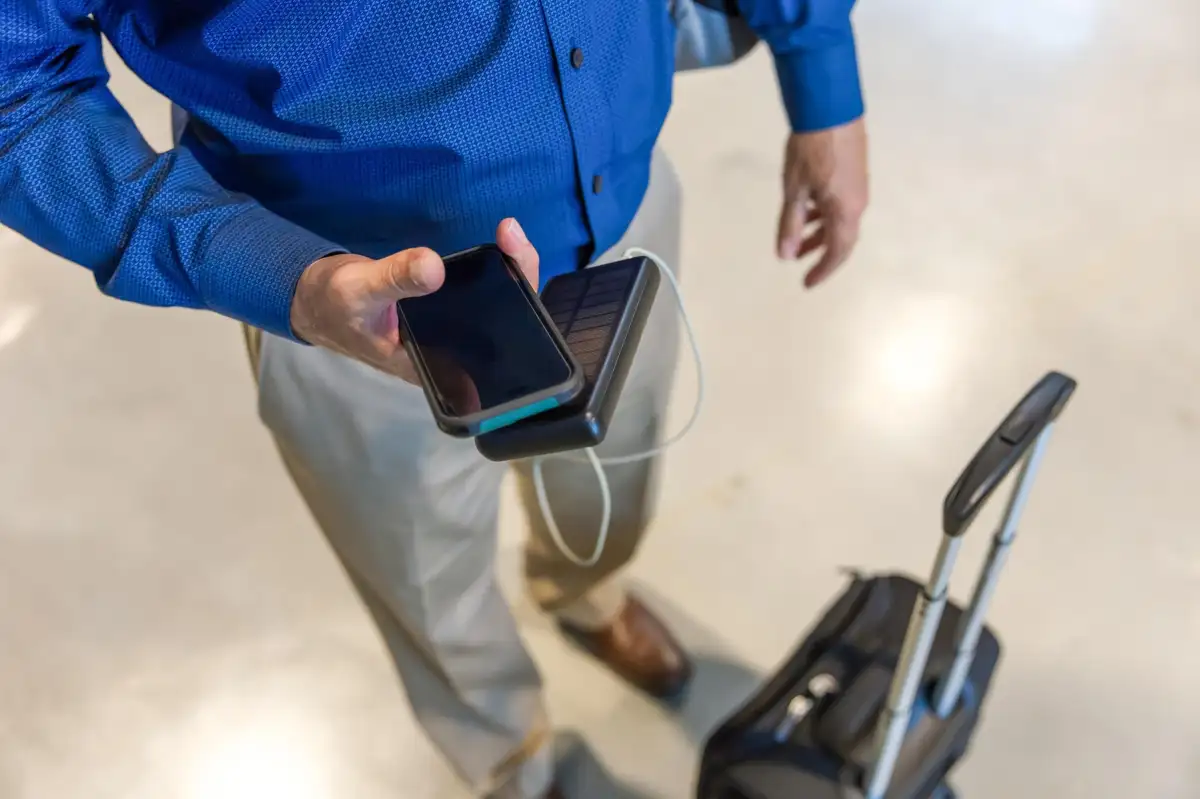
Airlines worldwide are tightening their policies. Southwest Airlines has limited passengers to one portable charger and prohibits them from overhead bins, while American Airlines has limited passengers to two and requires activated chargers to be kept visible. This mirrors a broader global scrutiny of lithium-ion battery safety, exacerbated by the increasing popularity and use of portable electronics.

The CAA, through its representative Nicholson, emphasized that these restrictions are crucial and highlighted that passengers should exercise caution against purchasing low-quality chargers, as cheaply made batteries present a heightened risk. Airlines are now expected to communicate these rules more effectively from the point of booking through to boarding.