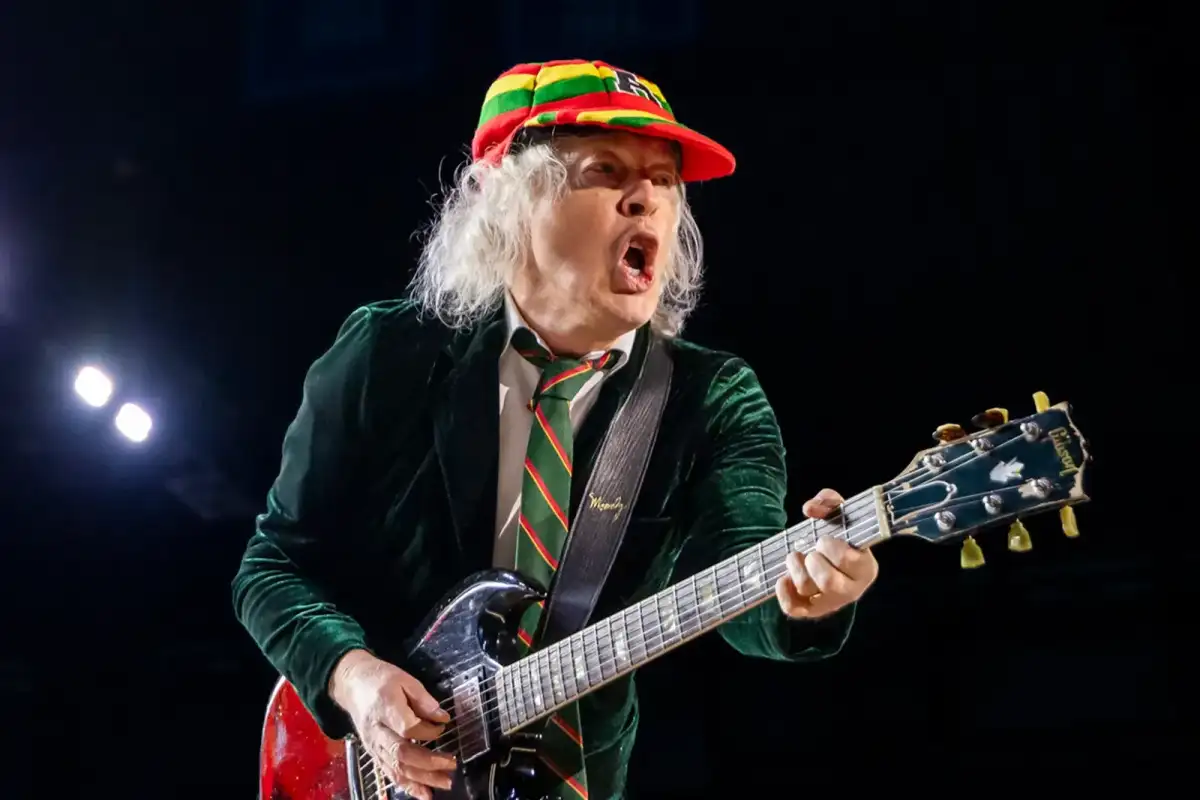
Universal Music Group (UMG) and TikTok have finalized a licensing agreement intended to resolve previous disputes regarding song usage, artist compensation, and the implementation of synthetic media. As of 23/05/2026, this settlement mandates that TikTok will implement new safeguards concerning AI-generated music and ensures payment structures for the performers represented by UMG.
The agreement serves as a recalibration of power between a dominant media rights holder and a primary social distribution channel, specifically targeting the erosion of artist earnings caused by automated content generation.
| Feature | Pre-Agreement Status | New Mandate |
|---|---|---|
| AI Governance | Unregulated scraping | Mandatory protection against non-consensual AI mimicry |
| Revenue Flow | Disputed / Blocked | Standardized royalty framework for creators |
| Catalog Access | Periodic blackouts | Sustained availability of UMG repertoire |
Operational Impacts
The resolution addresses several frictions that previously led to the removal of major label content from the TikTok platform. Key pillars of the arrangement include:
The formalization of compensation protocols for the use of recorded music within short-form video loops.
New protective measures aimed at curbing the unauthorized training of AI models on human performances owned by the studio.
Restoration of the full Universal Music Group catalog to the user interface, ending the recent period of content fragmentation.
Market Context
While Universal Music Group continues to diversify its reach—ranging from the operation of streaming packages via Universal+ (accessible through SFR, Bouygues, and Free) to the cinematic production activities of Universal Pictures—this agreement isolates the music division’s digital strategy.
Read More: Chrome mimeHandler API lets extensions handle file types
The media conglomerate remains a complex architecture of entities. Universal Studios, often linked to production partners like Studio Canal and the broader Vivendi legacy, operates as a separate vertical from the music label. Currently, the music arm, which manages a roster including artists like Mika, Vanessa Paradis, and The Rolling Stones, relies on these platform-specific licenses to maintain its influence in an era where discovery is driven by algorithm-heavy social environments.
"The framework attempts to codify the value of human expression against the mechanical efficiency of digital synthesis."
Synthesis of Value
This deal reflects a shift in how Digital Rights are asserted. Rather than simply litigating content scraping, the label has moved toward an integrated licensing model. This ensures that the revenue derived from digital engagement is redirected back into the Artist Royalties stream, a necessity as traditional media revenue models become increasingly reliant on external third-party Distribution Platforms.
Read More: Paul McCartney and Bruce Springsteen impact on rock music legacy 2026
Observers note that while the Licensing Settlement provides immediate stability, the efficacy of these AI Protections will depend on the transparency of technical audits performed by the social platform on its internal algorithms.