Political Disappearances and Deaths Cast a Grim Light on Venezuela
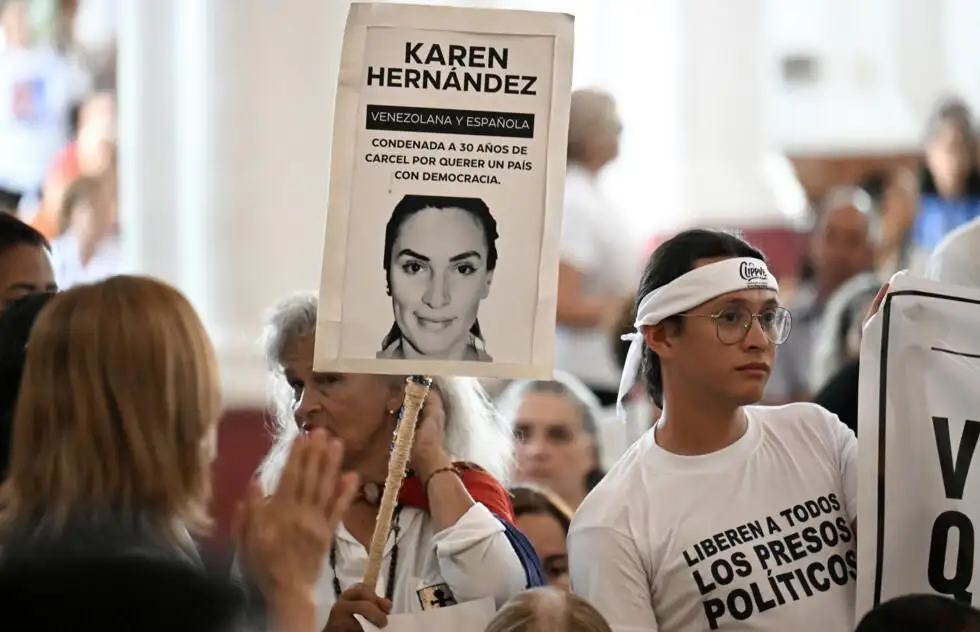
Political prisoners in Venezuela face a persistent, gnawing fear of forced disappearance and death, a stark reality that belies official assurances and legal frameworks. For families like that of Beatriz Salas, the silence is deafening. Her son, Hugo, has been unheard from for seven years. This prolonged lack of contact, a pattern mirrored in the tragic loss of her daughter and husband, underscores a grim reality: judicial bodies are supposed to provide updates on detainees within 48 hours and hold prompt hearings. Yet, in practice, these safeguards often crumble, leaving loved ones scrambling through hospitals, police stations, and morgues in a desperate, often fruitless, search. The cases highlight a chilling disregard for established legal processes, fostering a climate of dread where detainment can equate to vanishing without a trace. The legal infrastructure, theoretically in place to protect detainees, is routinely circumvented, leading to profound fear and uncertainty for political prisoners and their families.
Read More: Megyn Kelly Attacks Trump's Marriages, MAGA Supporters Respond
Diplomatic Thaw and Lingering Injustice
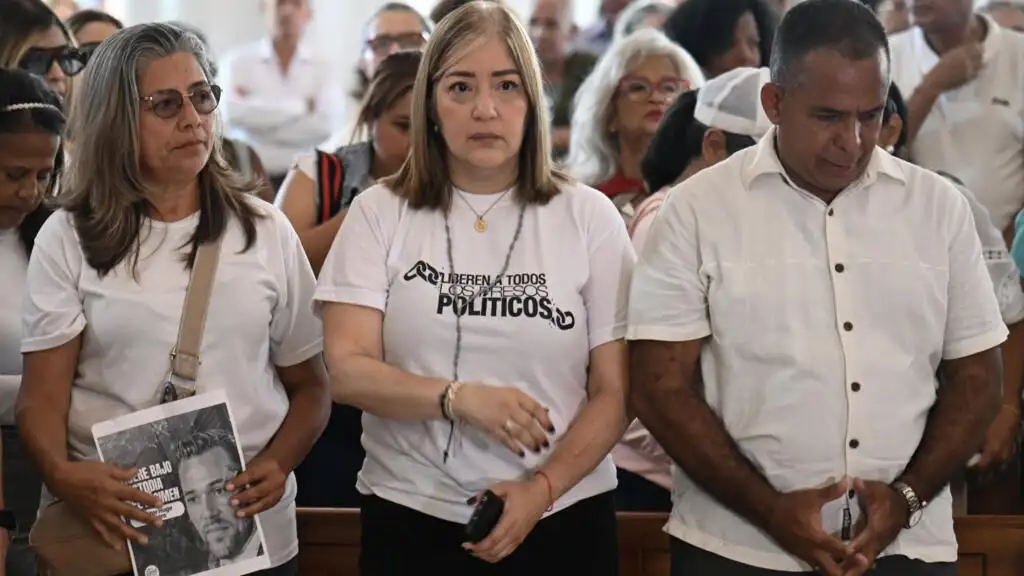
Recent weeks have seen a flurry of diplomatic activity aimed at re-establishing ties between the United States and Venezuela. This has included the lifting of sanctions against figures like Delcy Rodriguez, the interim president, and the potential resumption of oil operations. A series of amnesties have also been announced, with promises to release hundreds of political prisoners. However, even as these diplomatic overtures unfold, the specter of injustice persists. Reports from earlier this month detail a political prisoner's death, with his mother passing away shortly after, having searched for him in vain for a year. This juxtaposition of diplomatic progress and persistent human rights concerns reveals a complex and troubled landscape where political expediency seems to overshadow fundamental justice for many. The ongoing plight of individuals like Julien Février, a French national held for over a year, further complicates the narrative of reconciliation. While some prisoners have been released, others remain incarcerated, highlighting the uneven application of any newfound leniency.
Historical Context: A Nation in Flux
Venezuela's recent history has been marked by significant upheaval, including the capture and subsequent imprisonment of Nicolás Maduro in the United States. This event appears to have catalyzed a dramatic shift in international relations, prompting the US to re-engage with Caracas. The narratives surrounding these events are varied, with claims of "mysterious weapons" and speculation about Venezuela becoming the "51st state" under Donald Trump's influence. Economic factors are also at play, with discussions of oil production and frozen funds being unfrozen, signaling a potential pivot towards a more integrated economic relationship. These developments occur against a backdrop of internal strife, with reports of armed militias and calls for self-defense from some political factions. The promise of "free elections" and a nation where "justice prevails" has been voiced by the current leadership, but the enduring concerns surrounding political detentions and disappearances paint a more fractured picture of the nation's present reality.
Read More: Reform Candidate Robert Kenyon Faces Backlash Over Offensive Posts