
Western Australia has confirmed a cluster of diphtheria cases within its prison system, marking a grim escalation of a resurgent outbreak that has already claimed a life and is being called the worst in decades. The spread within correctional facilities highlights the vulnerability of enclosed populations to this vaccine-preventable illness. Health officials are now navigating the complex challenge of containing the disease in an environment where close contact is inevitable.
The appearance of diphtheria in WA prisons follows official pronouncements of a nationwide 'communicable disease incident of national significance' by Australia's Chief Medical Officer, Prof. Michael Kidd. This designation underscores the seriousness of the situation, which has seen documented cases across the Northern Territory, South Australia, and Queensland.
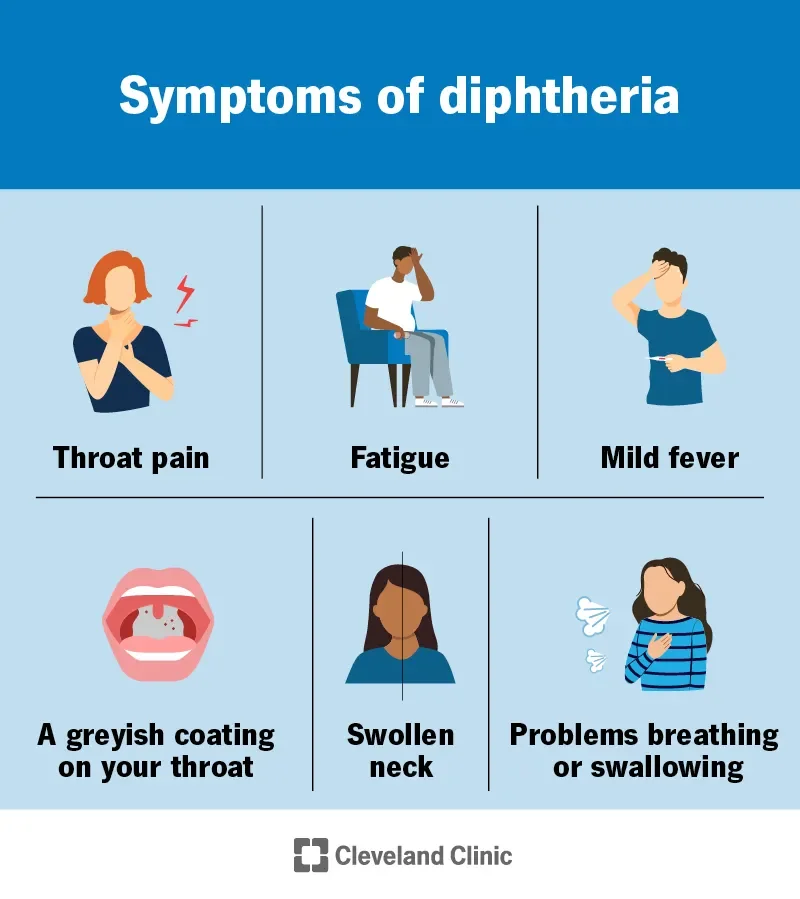
Respiratory diphtheria, characterized by its transmission through airborne droplets from coughs and sneezes, has particularly worried health authorities. Its counterpart, cutaneous diphtheria, spreads via direct contact with infected skin sores. Both forms pose a significant threat, especially without prompt medical intervention.
Read More: India IVF Costs And Social Barriers Limit Access In April 2026
A Disease of the Past Returns
Australia has not seen a death from diphtheria in nearly ten years. However, between January last year and May this year, the Northern Territory alone reported a staggering 163 cases, comprising 48 respiratory and 115 cutaneous infections. The confirmation of two respiratory diphtheria cases in Western Australia in March represented the first such occurrences in that state for over half a century.
Understanding the Threat
Diphtheria is caused by the bacterium Corynebacterium diphtheriae. While historically a major killer of children, it remains a danger, particularly to those not adequately immunized. The disease can inflict irreversible damage if the diphtheria toxin enters cells before antitoxin treatment can be administered. Early detection and the administration of both antitoxin and antibiotics are crucial for effective management. Medical professionals urge individuals to consult with their healthcare providers regarding immunization schedules.
Read More: Hunter Region Gets $12 Billion Train Factory