


Health authorities in Kerala have activated a heightened monitoring system at four international airports and two seaports, implementing screening facilities and isolation arrangements. This move follows a World Health Organization declaration of a global public health emergency linked to Ebola outbreaks in parts of Africa.

The state government has established these measures in response to the WHO's alert, focusing on early detection and coordinated public health responses for passengers arriving from affected nations like the Democratic Republic of Congo, Uganda, and South Sudan.

Enhanced Monitoring and Response
Kerala Health Minister K Muraleedharan announced Friday that health department teams are now operational at the state's key entry points. These teams, working in conjunction with district disease surveillance units and medical colleges, will adhere to central government guidelines. Passengers presenting symptoms such as fever, fatigue, headache, muscle pain, vomiting, diarrhoea, sore throat, or bleeding are instructed to report immediately to health officials at the airport.
Read More: India IVF Costs And Social Barriers Limit Access In April 2026

Screening facilities and intensive care arrangements for isolation have been established at the four airports and two seaports. The state rapid response committee held a meeting to oversee these preparations. Officials stressed the importance of training staff in infection control, personal protective equipment (PPE) usage, and patient care protocols.
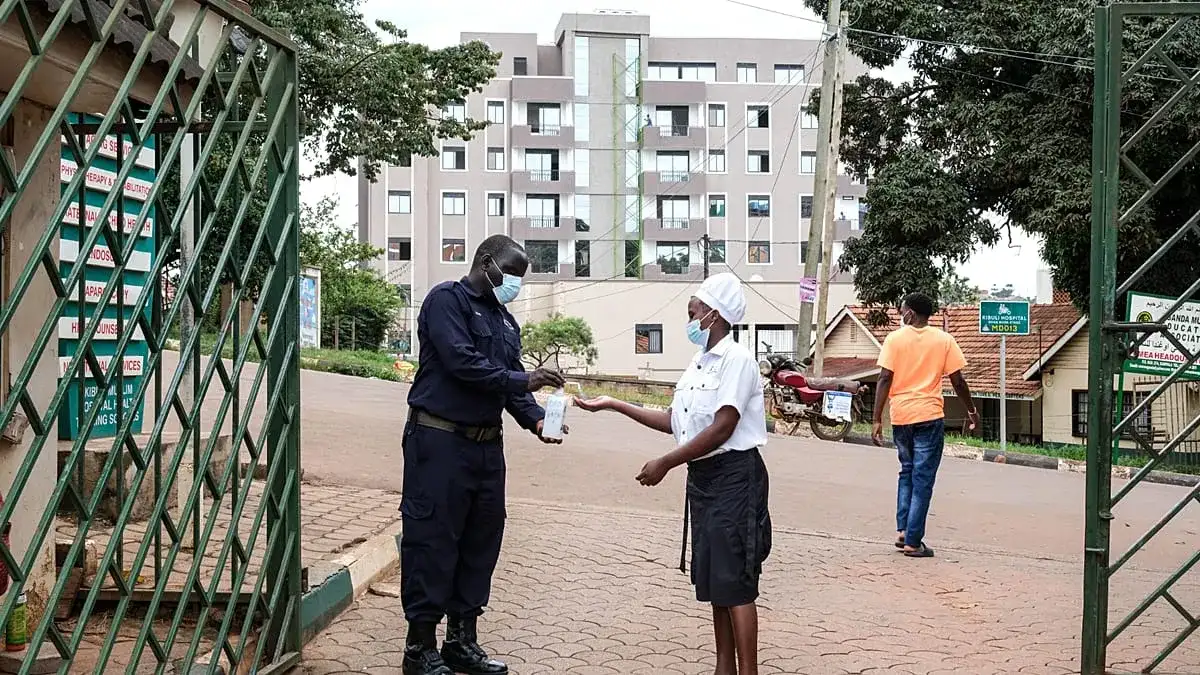
Isolation wards have also been arranged at specific hospitals, including Ernakulam General Hospital, Government Hospital Kalamassery, and District Hospital Aluva, to manage potential cases. Airport authorities have activated a 24x7 monitoring system for international passengers.
Context of Global Concern
The intensified surveillance comes amid rising global concern over Ebola outbreaks in several African countries. The WHO's declaration of a global public health emergency highlights the urgency of such preventative measures. The incubation period for Ebola is noted to range from two to 21 days, and its mortality rate can be between 30% and 50%.
Read More: Kerala Health and AYUSH Departments Link for Dengue Control in 2026
While screening at entry points is being reinforced, international discussions, as seen in European contexts, suggest that travel restrictions are not typically favored as a primary public health tool during outbreaks. Instead, exit screening in affected countries is often considered a more effective measure. The European Commission, for instance, has not received requests for assistance through its aid mechanisms, and flight bans are generally rejected.






