Kochi Airport Officials Enhance Screening Protocols as Ebola Variant Spreads; Scientific Community Mobilizes for Response.
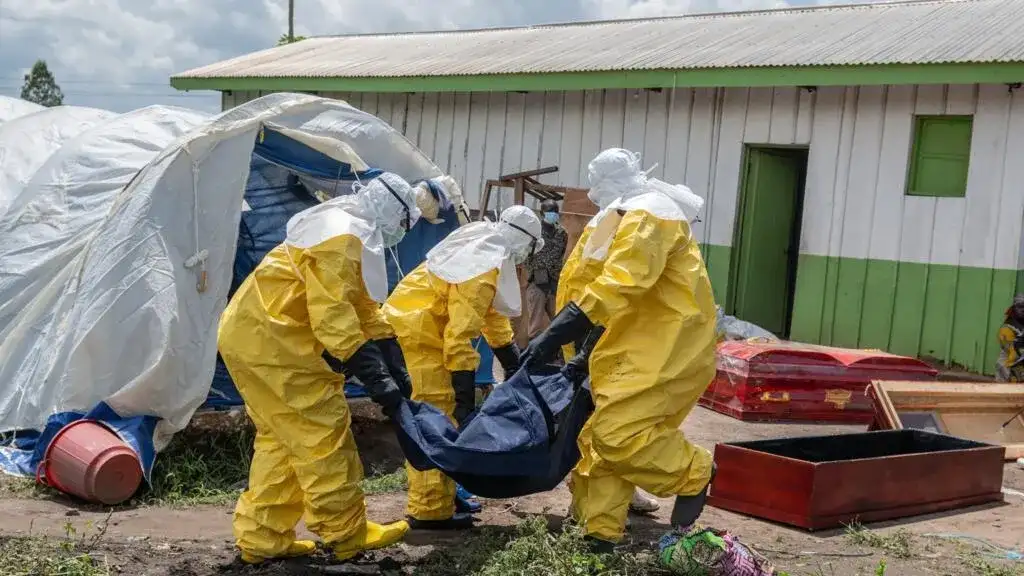
Airport surveillance at Kochi has been intensified, with intensified screening of arriving passengers, particularly those with recent travel history to affected regions. This heightened alert follows confirmation of three new Ebola cases in Uganda on Saturday, May 23rd, bringing the total to a significant public health concern, according to regional health authorities. The epicenter of the current outbreak is the eastern Democratic Republic of Congo (RDC), a situation now classified by the World Health Organization (WHO) as posing a "very high" risk to global public health.

The specific strain driving this surge is an Orthoebolavirus variant, distinct from previous strains. This distinction is crucial, as existing countermeasures may not be fully effective. While some vaccines targeting other Ebola virus species are in development, and a specific vaccine is recommended for high-risk individuals in outbreak zones, neither has been deployed for widespread preventive vaccination campaigns. The primary defenses against this variant currently rely on strict barrier measures and rapid case detection.
Read More: India IVF Costs And Social Barriers Limit Access In April 2026

Scientific Mobilization and Unanswered Questions
The scientific community is actively mobilizing, with recent symposia focused on cataloging existing knowledge and identifying critical areas for developing response tools. A significant unmet need is the development of a specific treatment for affected patients, who will require hospitalization in dedicated Ebola treatment centers. Survivors of the disease often face severe, long-term health consequences, a subject of ongoing scientific inquiry.

Origins and Spread Dynamics
Ebola virus disease, caused by several viruses within the Filoviridae family and Orthoebolavirus genus, was first identified in 1976. Simultaneous outbreaks occurred in central and eastern Africa, one involving the Sudan ebolavirus near the town of Nzara (now South Sudan), and another with the Ebola virus (Zaire strain) near the Ebola River in the Democratic Republic of Congo (formerly Zaire). The Orthoebolavirus sudanense, or Sudan ebolavirus, has been linked to 8 out of 42 recorded epidemics, accounting for 950 cases and 500 deaths.
Read More: Margaret River Named World's Best Wine Place
Risk Assessment and Containment Strategies
The transmissibility and potential international spread of this current Ebola variant remain a subject of considerable uncertainty. Public health strategies are centered on monitoring travelers from affected areas, isolating suspected cases, and prompt testing in instances of doubt. The efficacy of these measures in preventing a wider pandemic is under constant evaluation, with current assessments indicating a "very low" pandemic risk, though this is subject to change with evolving epidemiological data.
The fatality rate of Ebola can vary significantly depending on the virus strain and the patient's medical care. Consumption of "bushmeat" is identified as a potential risk factor, underscoring the importance of rapid diagnosis to contain the spread. International research networks, such as the Collaborative Operational Research Centres (CORCs), are working to define research priorities and enhance global pandemic preparedness through collaborative research and knowledge sharing.
Read More: Georgia Toffolo's Lake Como Trip After Fertility Talks