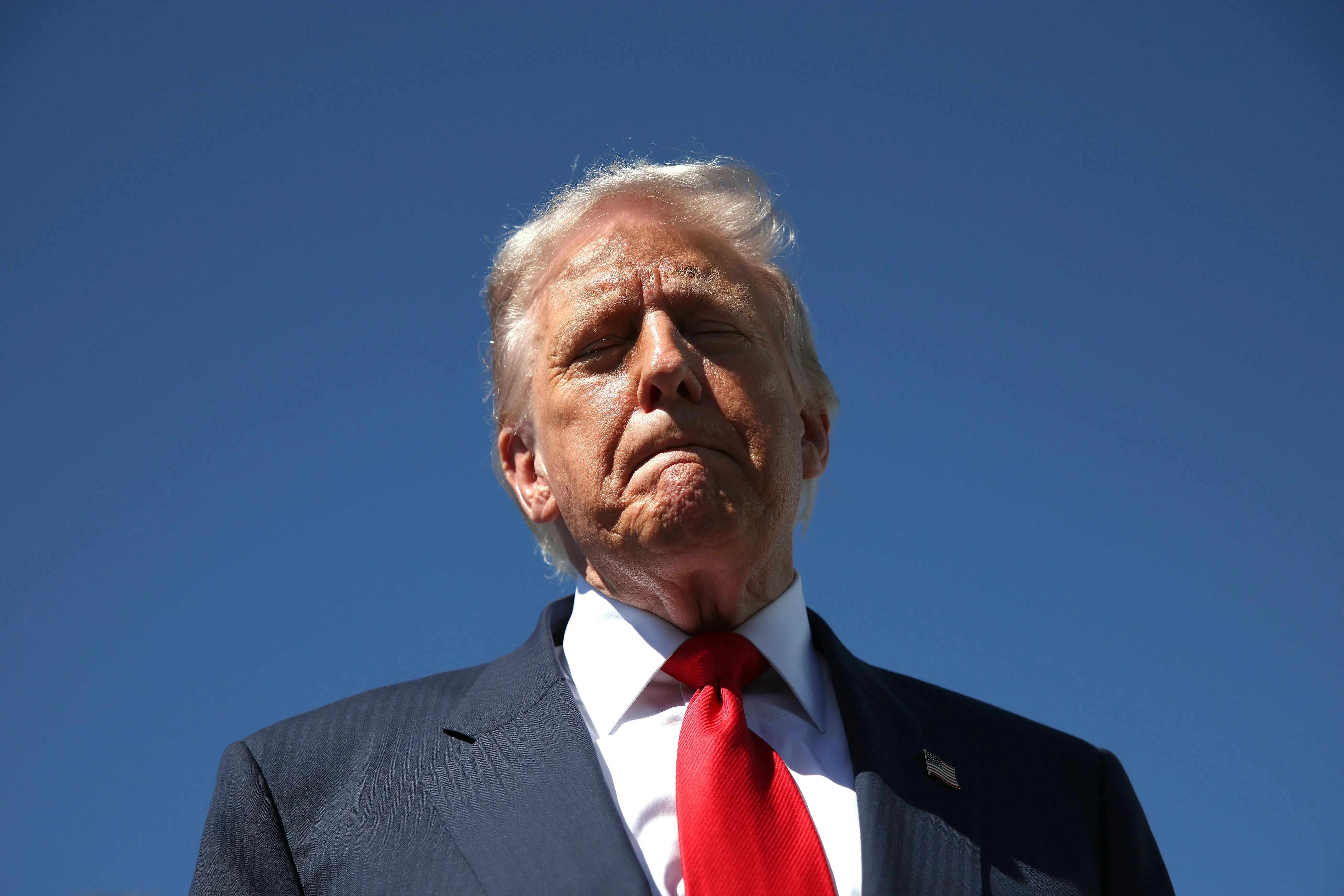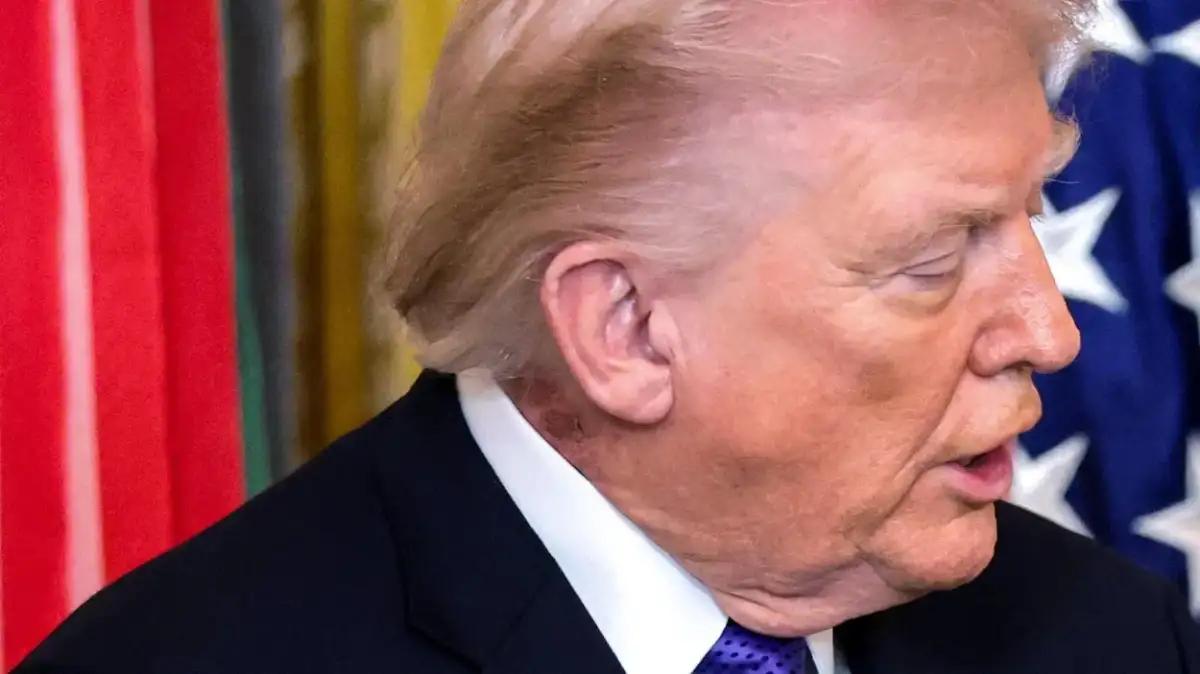
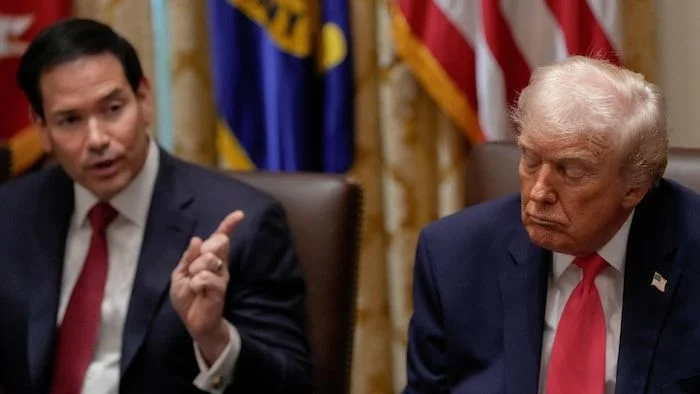
Donald Trump underwent his third visit to the Walter Reed National Military Medical Center within the past year. The brevity of official statements surrounding the appointment has done little to quell ongoing discourse regarding his fitness for office, particularly as some visible symptoms have drawn public notice. The exact details of his health remain largely unreleased, a recurring pattern that consistently fuels speculation.
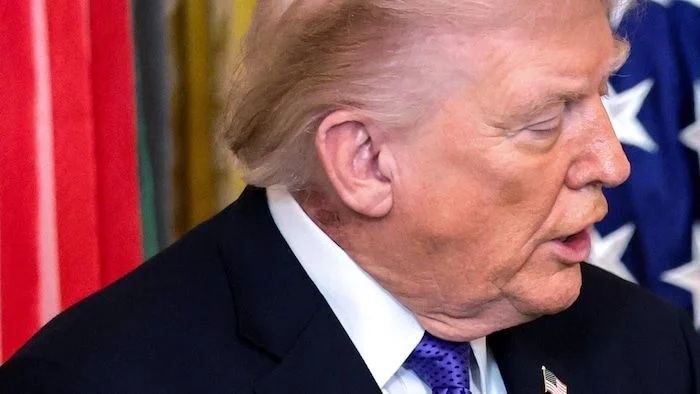
The White House maintains discretion over the depth of medical information disseminated, leaving the public to ponder the implications of routine examinations, which typically include dental checks and blood work. Trump himself stated the assessment went "perfectly," an assertion made days before his 80th birthday, amidst persistent questions about his well-being.
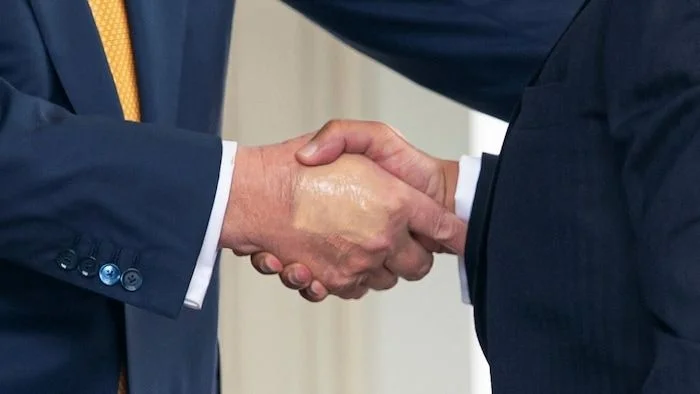
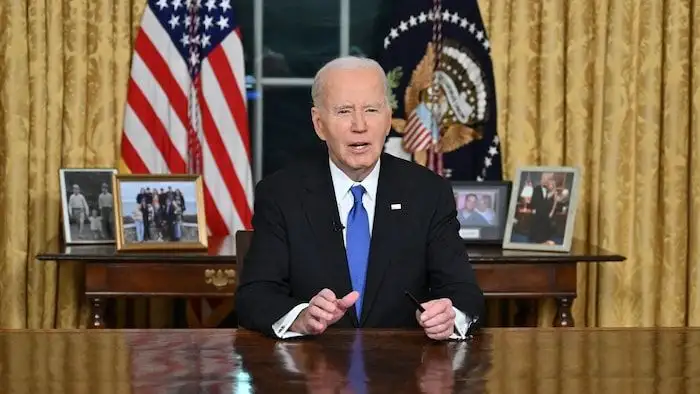
His recent public appearances have been scrutinized, with a noticeable redness on his neck observed in March sparking particular attention. This level of public examination appears more focused on Trump currently than on President Joe Biden, whose occasional stumbles and moments of apparent confusion at the end of his term were more widely discussed.
Read More: American Right Echoes European Ideas, Experts Say
Secrecy and Speculation
For months, every action taken by the former president has been a subject of observation and commentary, a constant drumbeat feeding into doubts about his capacity to lead. A key factor contributing to this environment is the practice of Trump requiring his physicians to sign non-disclosure agreements, which strictly limits the circulation of any sensitive medical data. The lack of published health assessments, regardless of their routine nature, is seen by many as an immediate invitation for rumors and conjecture.
Background Context
This latest visit to Walter Reed occurs at a time when transparency regarding the health of public figures, particularly those in positions of power, remains a salient issue. The standard practice of releasing detailed medical reports is a norm Trump has largely sidestepped, opting instead for limited updates and personal assurances. The contrast with previous administrations, where more comprehensive health briefings were common, is stark and continues to shape public perception.
Read More: Kitchen Plastic Risks: Simple Swaps for Health in 2026