Wall Street anticipates the massive public debut of Elon Musk's SpaceX next month, but historical data suggests investors might find more consistent gains in broader market indexes. A Reuters analysis of the 50 highest-valuation initial public offerings (IPOs) over the past five years reveals that, more often than not, investors would have fared better by simply purchasing an S&P 500 index fund. This pattern holds true even for those theoretically able to buy shares at the IPO price, let alone on the first day of trading amidst intense public fervor.
The looming SpaceX listing, anticipated to be the largest in history with a potential $75 billion offering and a $1.75 trillion valuation, could overshadow other market debuts. == Analysts caution that such a monumental event might temporarily drain liquidity from other equity markets, particularly impacting Europe's struggling IPO scene. While the U.S. market shows robust activity, the sheer scale of SpaceX's entry raises questions about its ripple effects.
Read More: AI Chip Costs Rise 20% for H100 GPUs in 2026
Performance Pains for Public Debut Buyers
The prospect of investing in a company like SpaceX, led by a figure like Elon Musk, naturally ignites considerable excitement. However, a deep dive into recent IPO performance paints a less rosy picture for early investors.
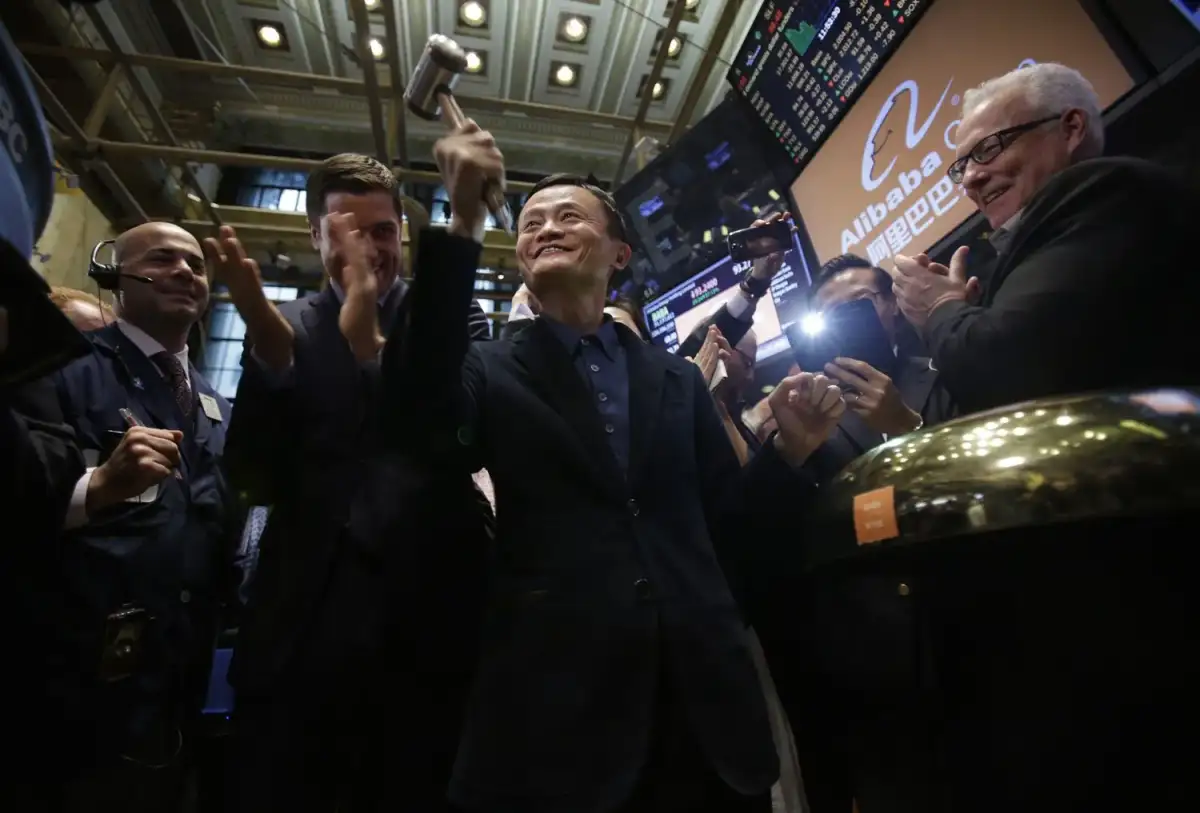
Limited Upside: The data indicates that a significant majority of recent high-profile IPOs have failed to deliver superior returns for those who bought in at the initial offering price or during the initial trading frenzy.
Figma's Frenzy: As an example, design software firm Figma saw its shares nearly quadruple on its first trading day last July, a testament to the initial demand. Yet, the broader trend suggests such spikes are not the norm for sustained investor success.
Index Fund Advantage: Across the analyzed period, approximately three-quarters of the time, an investment in an S&P 500 index fund would have yielded superior returns compared to buying into the top IPOs at their market debut.
SpaceX's Financial Footprint and Competitive Landscape
SpaceX recently unveiled its investor prospectus, offering the first public glimpse into its financials. Key details include:
Starlink as a Pillar: The company's Starlink satellite internet service is identified as its strongest business segment.
AI Competitors: SpaceX lists major AI firms, including OpenAI and Anthropic, as key competitors. This comes amidst ongoing legal narratives surrounding Musk and OpenAI, with a jury recently finding no liability for Altman and OpenAI concerning claims of unjust enrichment.
Acquisition: The company also acquired Musk's AI firm, xAI, in February.
Historical Context of Mega-IPOs
The anticipated SpaceX IPO follows a trend of massive public offerings. While Visa is cited as a prime example of a mega-IPO delivering strong returns, it appears to be an exception rather than the rule. The sheer scale of SpaceX's potential debut dwarfs many previous listings, raising unique considerations for market dynamics.
"Wall Street is abuzz with next month's expected blockbuster debut of Elon Musk's rocket and satellite maker SpaceX, but few of the biggest IPOs in recent years have paid off for investors who bought in when the deals came to market."
- Reuters Analysis