NVIDIA's H100 GPUs, the current workhorses for many artificial intelligence endeavors, are commanding significantly higher rental prices. Reports indicate a jump of 20% in 2026 alone. Older, yet still potent, A100 chips have also seen their rental rates ascend, climbing by an estimated 15%. This trend points to a persistent imbalance between the voracious appetite for AI processing power and the available hardware.
The surge is fueled by what Nvidia's Chief Financial Officer, Colette Kress, has described as accelerating demand from major AI model developers, including OpenAI and Anthropic. This robust demand grants Nvidia substantial leverage in dictating prices, even as the company works to boost production. Cloud giants such as Amazon, Microsoft, and Google are a significant part of this equation, accounting for half of Nvidia's data center sales. These hyperscalers continue to pour billions into Nvidia hardware, while simultaneously exploring their own custom silicon as a long-term strategy to mitigate this dependency.
Read More: Anthropic AI valuation could reach $1.5 trillion by late 2026
The escalating rental costs place considerable margin pressure on companies that rely on these rented GPUs for their AI model training operations. This highlights a critical vulnerability in the current AI infrastructure landscape, where reliance on a single, dominant supplier creates significant financial strain.
Market Dynamics at Play
The rental market for GPUs exhibits varied pricing structures. While "on-demand" pricing, characterized by per-hour charges without commitment, is simple, it also represents the most expensive option. Other models, like "credit marketplaces," offer a different paradigm, though their specific economics vary. Contractual agreements, ranging from three months to over three years, represent a substantial portion of the GPU rental volume.
The "on-demand" GPU rental capacity is reportedly sold out across all GPU types. Those who have secured these instances are disinclined to release them, even in the face of price increases. In this segment, utilization rates serve as a more accurate indicator of demand than price fluctuations. A dedicated "H100 1-year rental contract price index" specifically tracks the contract market, where most rental transactions occur.
Read More: Pope Warns AI Could Cause Harm If Not Controlled
Nvidia's Enduring Dominance
Despite the existence of newer chips, the H100 remains a focal point for price increases, underscoring Nvidia's continued market dominance. The company's CUDA software ecosystem is frequently cited as a gravitational center for AI development, reinforcing its strong market position.
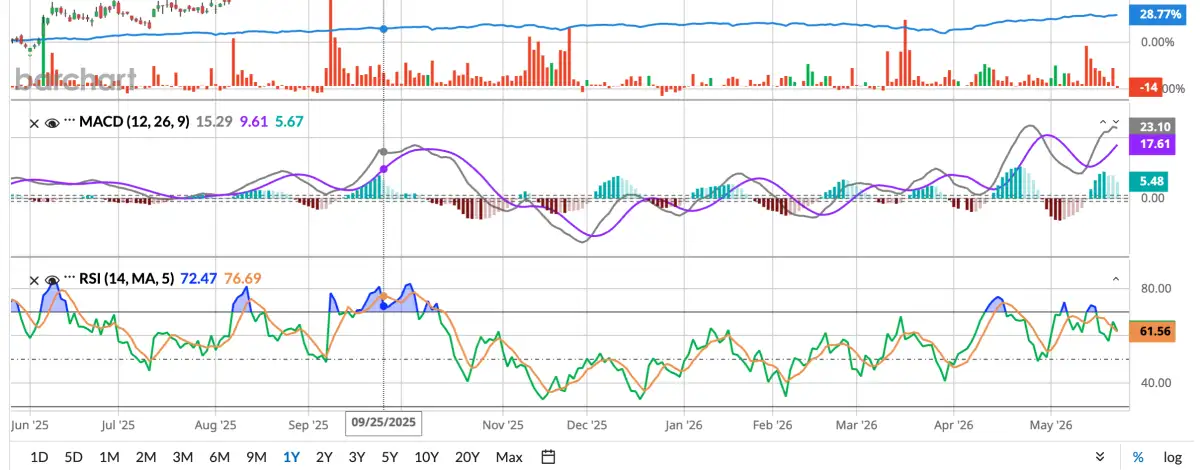
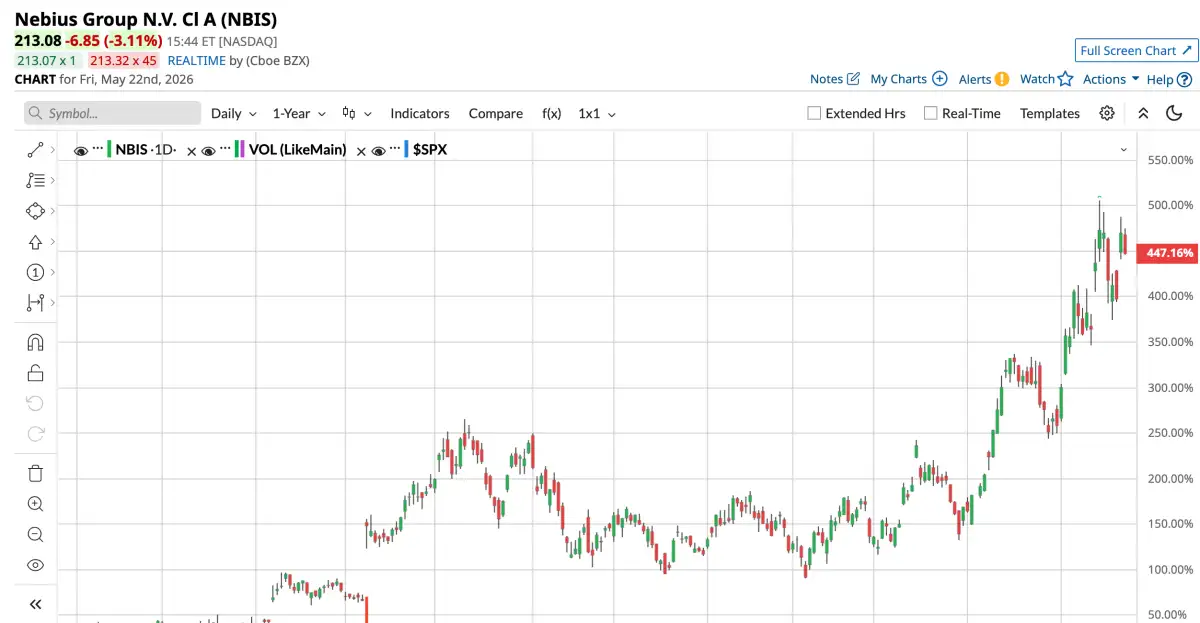
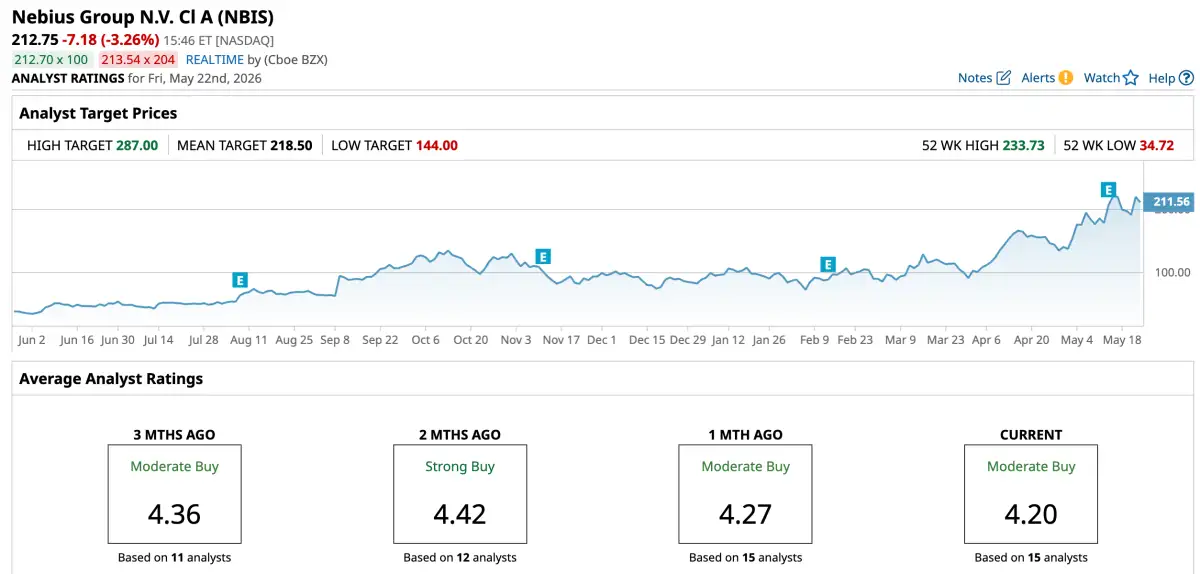
The financial implications of this pricing power extend to entities like Nebius Group, an AI cloud infrastructure provider whose stock has seen recent surges, partly attributed to Nvidia's pricing trends and its own strengthened financial standing. Nebius offers cloud platforms and AI tools designed to support the proliferation of generative AI applications.
Broader Market Context
The overall AI compute infrastructure market appears to remain undersupplied, as evidenced by the persistent rise in H100 rental prices. This shortage has not abated, and newer Nvidia chips have not been sufficient to drive down the cost of H100 rentals.
Read More: SpaceX IPO May Offer Lower Returns Than Stock Funds
Several providers are involved in the GPU rental space, offering H100 GPUs with prices ranging from approximately $1.49 to $6.98 per GPU-hour across various cloud providers. These prices are typically based on official on-demand rates, excluding any potential spot market variations. The types of configurations and pricing can vary significantly, from single GPU instances to multi-GPU clusters, often found on specialist GPU-cloud vendor platforms. Companies like AWS, Google Cloud Platform, and others offer various H100 configurations on their virtual machine instances.
A monthly "GPU index" compiles data from a wide array of providers and GPU models, covering on-demand, spot, and 1-year reserved pricing tiers. This index serves as a benchmark for posted hourly cloud GPU rental costs. For multi-year commitments, direct negotiation with providers is often necessary, as posted on-demand rates do not typically reflect these long-term discounts.
Read More: Sony PlayStation Plus June Games Not Announced; Other News Shared