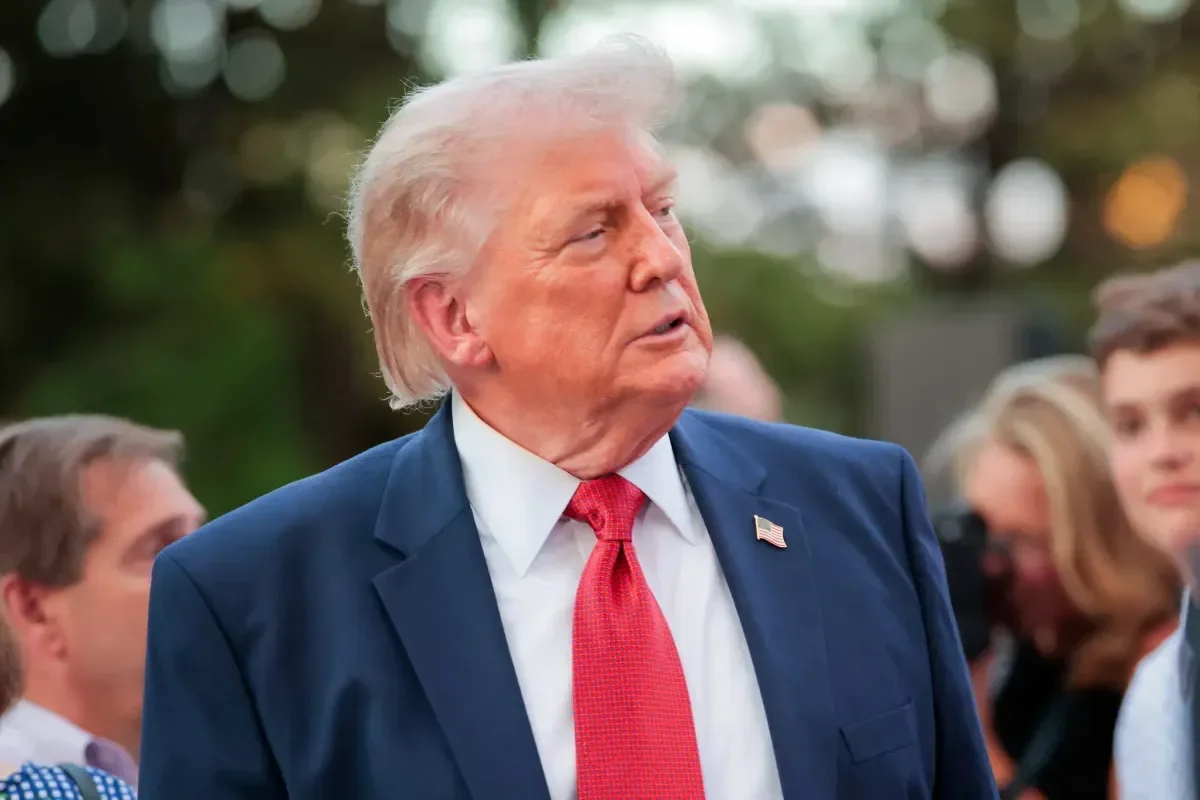
Washington's Shadow Lengthens Over Cuba Amidst Shifting Alliances
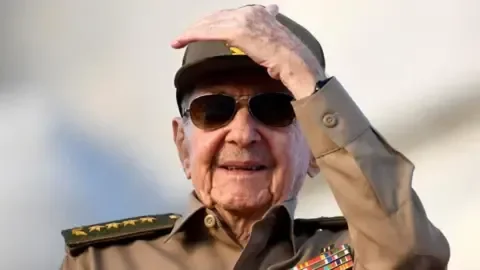
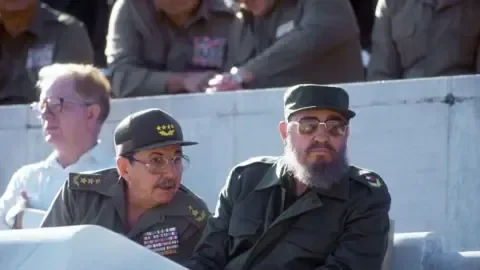
Cuba finds itself increasingly entangled in a web of U.S. pressure, with recent pronouncements and actions signaling a potential new phase of direct confrontation under Donald Trump's administration. The island nation faces an "oil blockade" and sanctions, alongside an "unprecedented murder indictment" against former leader Raúl Castro, painting a stark picture of escalating U.S. policy. This intensified focus comes as Trump's foreign policy appears to be entering a "volatile new phase," marked by warnings from former insiders about potential U.S. actions against Cuba, even as military operations continue in Iran.
Economic Motives and Ideological Undercurrents
Discussions within the Trump administration have reportedly revolved around "financial opportunities in Cuba," with a particular emphasis on "securing broad U.S. latitude to invest" and "capitalize on Cuba’s underdeveloped cities and beaches." Sources familiar with Trump's thinking suggest a focus on "business," specifically the prospect of "Trump-branded hotels or condominiums," rather than a purely ideological push for "regime change or forcing an ideological shift away from communism."
Read More: South Carolina Senate Stops Redistricting Map Changes Before Elections
"The whole focus is business.”
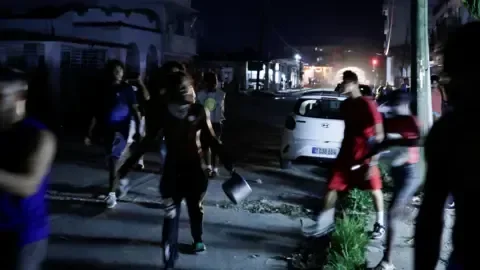
This economic angle is underscored by the collapse of Cuba's economy, partly attributed to the U.S. blockade. However, "experts widely agree the U.S. likely would see only modest economic benefits from Cuba’s government changing."
Regional Pressure and Diplomatic Maneuvers
The pressure on Cuba extends beyond direct U.S. actions, with "Latin American allies" also reportedly "tightening pressure on the regime." Notably, Ecuador, under President Daniel Noboa, has "announced the expulsion of Cuba’s diplomatic mission in Quito," citing accusations of "espionage." These regional moves appear to align with Trump's broader rhetoric, as he "warns almost daily that the island ‘is in its last moments’ and must negotiate an agreement."
Broader Foreign Policy Concerns
The focus on Cuba is occurring against a backdrop of wider geopolitical realignments. Ex-White House official Miles Taylor has warned that Trump could also seek to "weaken NATO and abandon allies." Taylor suggests that Trump "will either pull the US out of Nato or let it wither in favour of a Trump-centred alternative," indicating a potential reordering of international security frameworks.
Read More: Rubio Offers US Help to Mediate Ukraine War After Kyiv Attacks
The timing of any significant U.S. action towards Cuba remains uncertain, with its realization seemingly contingent on the ongoing situation in Iran. The question of whether the U.S. would undertake "military action against Cuba" or opt for a "friendly takeover" remains a subject of speculation, with the island nation's government, led by Díaz-Canel, reportedly floating possibilities such as allowing "Cubans living abroad to invest in Cuba’s economy."